How Long Do Lab Grown Pink Diamonds Take to Grow
Pink lab‑grown diamonds occupy a highly sought‑after niche within colored gemstone markets, attracting consistent demand from jewelry designers, retail brands, and volume buyers across global regions. Many industry participants assume crystal growth follows fixed timelines, yet actual production cycles shift dramatically based on manufacturing technology, target carat weight, desired pink color intensity, and acceptable yield thresholds. Even with modern automated reactor equipment, producing stable fancy pink lab diamonds cannot be rushed, and every production phase carries technical risks that extend total turnaround. Understanding real‑world growth durations helps buyers set realistic order timelines, avoid misaligned delivery expectations, and evaluate the capacity of potential supply partners.
Core Growth Timelines Between CVD and HPHT Production Routes
Two dominant technical pathways create lab‑grown diamond rough, and each delivers distinct baseline growth windows for pink material. HPHT, or high‑pressure high‑temperature, mimics the extreme geological conditions that form natural diamonds underground, compressing carbon feedstock alongside diamond seed crystals inside sealed press chambers at temperatures near 1500 degrees Celsius and pressures above five gigapascals. Small melee‑sized rough stones under 0.5 carat can complete primary crystal growth within seven to ten days, while one‑carat gem‑grade rough generally requires two to three weeks of uninterrupted press operation. Larger rough crystals above two carats push HPHT growth cycles toward three to four weeks, as extended exposure reduces the risk of structural fracture and uneven crystal development.
CVD, chemical vapor deposition, builds diamond atom‑by‑atom inside vacuum plasma chambers by breaking down carbon‑rich gas molecules and depositing carbon layers onto flat diamond seed plates. This method runs 24‑hour continuous cycles, with typical growth rates ranging from 0.1‑0.2 millimeters per hour for premium gem‑quality output. A one‑carat CVD rough diamond commonly takes four to six weeks of chamber runtime, and multi‑carat rough may stretch to eight weeks or longer before harvesting. It is critical to note that neither HPHT nor CVD reliably produces vivid pink color directly during primary crystal growth. Most pink lab‑grown diamonds start as near‑colorless base rough, and pink hues emerge through post‑growth lattice modification processes. This adds extra working days that buyers often overlook when calculating total project timelines.
How Pink Color Intensity Alters Overall Production Cycles
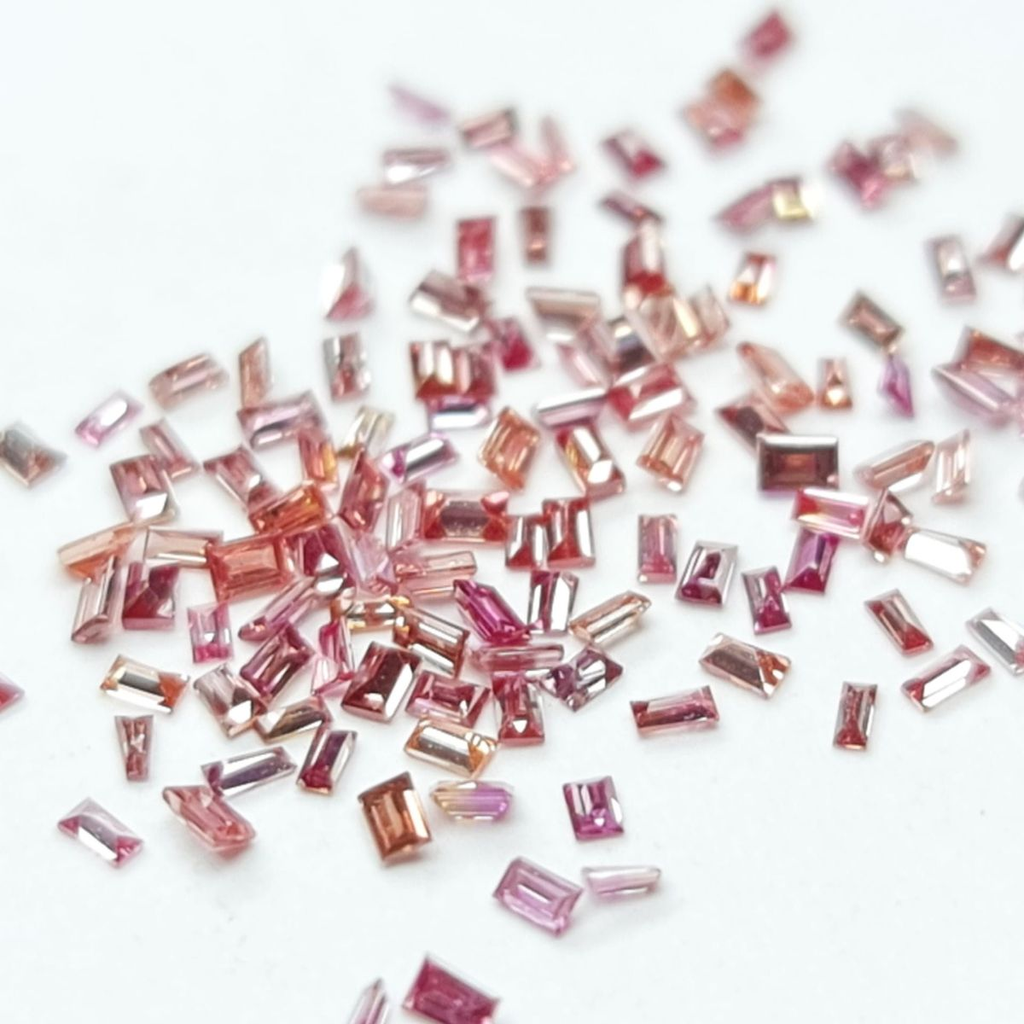
Generating consistent pink tones adds substantial extra workflow beyond basic diamond crystal formation, and fancy vivid pink variants demand far more process hours than fancy light pink alternatives. Base rough crystals exit growth chambers colorless or faintly brown, and producers apply controlled electron irradiation followed by precision thermal annealing to create nitrogen‑vacancy lattice centers that generate characteristic pink coloration. These post‑growth treatments are not quick add‑on steps. Irradiation exposure must be calibrated carefully to avoid over‑damaging crystal structures, and multi‑stage annealing cycles can span multiple days of gradual heating and cooling to lock in stable color without introducing visible internal stress.
Fancy light pink material may only require one round of treatment and quality verification, adding approximately one week to total production time. Stones targeting fancy intense or fancy vivid pink grades frequently need repeated treatment iterations, with intermediate visual and spectroscopic testing between each run. In many production batches, only twenty to thirty percent of treated rough achieves the target pink color grade, while rejected stones revert to white or alternate fancy color categories. Low yield means manufacturers must grow multiple candidate rough crystals to secure a small set of usable pink stones. This cascading effect expands effective lead times significantly. Even if individual crystal growth completes within three weeks, the need to produce backup rough material pushes real‑world delivery timelines outward for high‑color‑grade bulk orders.
Size and Clarity Constraints That Extend Growth Durations
Target carat weight represents one of the most direct variables shaping production schedules for lab‑grown pink diamonds. Melee‑sized rough below 0.3 carat complete growth relatively fast, yet these small pieces still need full post‑growth color treatment runs. When buyers pursue one‑carat and larger finished pink diamonds, rough starting material must be considerably bigger, because cutting and polishing remove a large share of the original crystal mass. Growing larger rough requires longer continuous chamber runtime, and longer growth cycles raise the probability of inclusions, graphite spots, and color zoning defects inside the diamond lattice.
High‑clarity specifications further slow down production. VVS‑grade pink lab‑grown diamonds demand extremely stable growth environments with minimal contamination entering HPHT presses or CVD plasma chambers. Minor fluctuations in temperature, gas flow, or metal flux composition create internal imperfections that disqualify stones from top clarity grades. Operators sometimes intentionally slow crystal growth rates to improve crystal structural integrity, even though slower growth directly increases calendar days spent inside production equipment. For bulk purchasing projects mixing multiple carat sizes and mixed clarity grades, production lines must stagger chamber batches. This means buyers cannot assume every stone in a large parcel will finish on identical timelines, and mixed‑spec bulk lots naturally require longer aggregate lead times.
Additional Workflow Steps Beyond Crystal Growth
Crystal harvesting marks only the midpoint of the complete production journey, and several downstream stages add measurable time before finished stones are ready for shipment. Once rough crystals are removed from growth equipment, teams conduct initial cleaning and visual screening to discard heavily cracked or heavily contaminated pieces. Surviving rough moves to irradiation and annealing workflows for pink color development, followed by gemological re‑inspection to sort stones by achieved color intensity. Stones that pass color qualification go to cutting, faceting, and polishing workshops. Complex fancy shapes such as cushion, radiant, or pear cuts take longer to execute than standard round brilliant cuts, especially when preserving color distribution across the finished facet layout is a priority.
Certification represents another non‑trivial scheduling factor. Sending parcels to independent gemological laboratories for IGI or GIA reports adds waiting periods ranging from several working days up to multiple weeks depending on laboratory backlog. Many buyers request full certification for every stone inside bulk shipments, which cannot be completed until cutting and polishing are fully finished. Inventory held in finished stock bypasses most of these cycles, but custom bulk orders built from newly‑grown rough must account for every sequential phase. pink lab diamonds supplier, lab pink diamond manufacturer, bulk lab diamond supplier, lab created pink diamonds supplier, and lab grown diamond vendors each handle these downstream workflows differently, creating wide gaps between stated crystal‑growth times and actual order delivery dates. Reputable supply partners break down full‑cycle timelines rather than quoting only raw crystal‑growth durations, helping customers set realistic inventory planning schedules.
Real‑World Lead Time Expectations for Bulk Order Planning
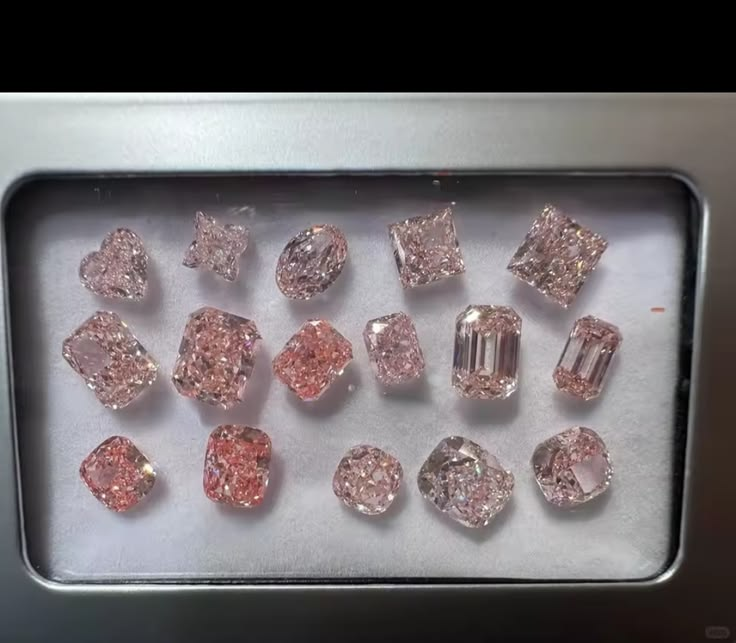
Distinguishing between in‑stock finished inventory and custom‑to‑grow bulk orders is essential for purchasing teams. When finished certified pink lab‑grown diamonds sit in existing warehouse inventory, parcels can be inspected, re‑checked for color consistency, and prepared for dispatch within a few business days. This scenario represents the fastest possible fulfillment path for bulk buyers. When exact specifications cannot be matched from existing stock, full custom production cycles activate. For melee‑size parcels targeting fancy light pink with VS‑SI clarity, combined growth, color treatment, cutting, polishing, and certification commonly run six to eight weeks. Orders focused on one‑carat‑plus fancy intense or fancy vivid pink lab‑grown diamonds frequently require eight to twelve weeks of total turnaround, and very large multi‑carat custom pieces may extend beyond three months due to low production yields.
Buyers often underestimate the impact of batch consistency requirements for bulk parcels. Sourcing a single high‑quality pink lab‑grown diamond carries one set of challenges, but assembling a large parcel with matching pink hue, saturation, tone, and clarity raises complexity substantially. Even when individual stones finish production on schedule, teams may need to hold partial shipments while waiting for additional matching stones to complete processing. Working directly with established supply sources reduces risks of extended delays, as experienced operations maintain multiple parallel growth chambers and accumulated process knowledge for pink color tuning. Unverified intermediaries sometimes quote unrealistically short lead times, without accounting for post‑growth color treatment failure rates, which can create costly project delays for jewelry brands relying on timely inventory arrivals.
Practical Guidance for Buyers Managing Production Timelines
Every purchasing project should separate raw crystal‑growth duration from complete end‑to‑end order lead time. Ask supply contacts to document time allocations for crystal growth, post‑growth color modification, cutting, polishing, gem certification, and quality sorting for bulk parcels. Clearly communicate color grade tolerances in written specifications, including acceptable ranges for hue and saturation, because minor color shifts can disqualify stones from your parcel and force additional production runs. Build safety buffers into internal project timelines, especially for seasonal inventory builds or product launch deadlines.
Prioritize partners that can share yield‑rate context for your target pink color grades. A supplier that openly discusses expected reject percentages helps you anticipate realistic timelines, rather than promising perfect results on aggressive schedules. Where possible, review sample stones matching your target specifications before placing large‑volume commitments. Comparing finished samples reveals how actual color performance translates from production descriptions to physical gemstones. When evaluating potential partners, confirm whether they manage irradiation and annealing processes in‑house or outsource these critical color‑setting steps. Outsourced treatment workflows introduce extra shipping and scheduling variables that can lengthen overall order cycles. Understanding the full technical journey of lab‑grown pink diamonds empowers buyers to make better sourcing decisions, avoid scheduling pitfalls, and align purchasing expectations with genuine manufacturing realities.
Leave a Reply