Are Pink Lab Diamonds More Expensive
Pink colored diamonds have captured global attention within fine jewelry markets over recent years. Natural pink diamonds remain among the world’s most scarce gemstones, with limited supply leftover from closed mining operations, pushing market figures to extraordinary levels for high‑saturation specimens. Many industry buyers and end consumers keep asking whether pink alternatives created in controlled environments carry equally heavy price tags. To answer this question thoroughly, we need to break down production mechanics, grading variables, market supply‑and‑demand dynamics, and real‑world purchasing scenarios for colored lab‑grown stones. Understanding these elements helps buyers make balanced purchasing decisions whether they are building finished jewelry lines or sourcing individual gemstones.
How Production Technology Shapes Gemstone Cost Profiles
Two primary technical pathways produce modern pink lab‑grown diamonds: CVD chemical vapor deposition and HPHT high‑pressure high‑temperature growth. Each method brings distinct yield rates, color stability outcomes, and production expenses that directly shape final market figures. CVD technology builds diamond crystal layer by layer inside sealed reaction chambers, and operators tune gas composition to generate soft through‑to‑vivid pink hues. HPHT replicates deep‑earth mantle conditions, applying extreme pressure and heat to diamond seed crystals to form pink color centers through crystal lattice distortion.
Generating consistent fancy pink saturation remains one of the trickiest challenges in colored diamond synthesis. Light pink shades deliver much higher yield rates, while Fancy Intense and Fancy Vivid pink output stays comparatively limited. Even with optimized equipment, a large share of crystal batches fail to hit target color grades, which adds to overall manufacturing overhead. This production reality differentiates pink varieties from standard colorless lab‑grown diamonds, which achieve stable quality at far higher success rates.
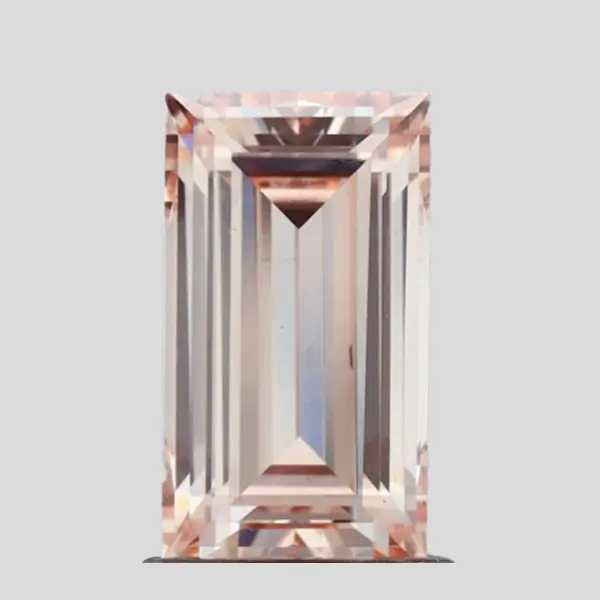
Lab created pink diamonds factory operators balance reactor capacity, material waste, and post‑growth color stabilization work to stabilize output. Some stones require post‑growth pressure treatment to remove unwanted brown undertones and boost pink saturation; these extra processing steps add measurable labor and equipment overhead for every finished polished stone. Factories that specialize in colored variants maintain dedicated quality inspection workflows, verifying color consistency, clarity features and cut geometry before stones move toward polishing and sales channels. Not every facility can reliably produce top‑tier vivid pink material, so sourcing from experienced production houses reduces risks of inconsistent color or undisclosed post‑growth modifications.
Core Variables That Shift Pink Lab‑Grown Diamond Pricing
When evaluating pink lab diamonds cost, multiple grading factors interact rather than one single metric dictating final figures. Color intensity sits at the top of this list. The GIA and IGI grading systems rank pink saturation from Faint Pink, Fancy Light Pink, Fancy Pink, Fancy Intense Pink up to highly sought‑after Fancy Vivid Pink grades. A Faint pink 1‑carat stone carries modest pricing, while a same‑carat Fancy Vivid pink can multiply costs several times over, even when clarity and cut parameters stay comparable.
Carat weight creates non‑linear price movement for pink lab‑grown material. Small melee‑sized pink stones are widely accessible at low per‑carat rates. Once sizes pass one carat, and especially above two carats, production difficulty rises sharply. Growing larger crystals that hold strong, even pink color across the whole crystal lattice becomes far harder, pushing per‑carat pricing noticeably higher for bigger polished stones. Clarity grades also play their part. VVS and VS clarity stones command premium pricing, while eye‑clean SI specimens offer practical cost‑saving options for commercial jewelry production. Cut quality cannot be overlooked either; well‑optimized faceting unlocks maximum color display, while poorly proportioned polish can make even high‑grade raw material appear dull and washed‑out.
Anyone comparing lab pink diamond price against natural pink diamonds will encounter an enormous pricing gap. Natural fancy vivid pink diamonds regularly reach six‑figure or higher per‑carat sums at auction, driven by geological rarity and exhausted mine supply. Comparably graded lab‑grown counterparts sit at only a small fraction of that expense. It is critical to note that internal market swings still happen for lab‑grown pink stock. When demand spikes for bridal or fashion jewelry collections featuring pink gemstones, short‑term wholesale levels will edge upward, before expanded factory output brings figures back toward stable ranges. Certification status also influences pricing; stones with complete IGI or GIA laboratory reports carry higher market value than uncertified polished goods, as documentation confirms origin, color grade and any applied post‑growth treatments.
Market Position and Real‑World Performance of Pink Lab Grown Diamonds
Pink lab grown diamonds occupy a unique market space, delivering the visual romance of pink diamond aesthetics without the prohibitive entry barrier of natural pink gemstones. Jewelry designers leverage these stones across engagement rings, drop earrings, statement pendants and stackable cocktail rings. Fashion‑forward collections targeting younger buyers frequently integrate soft‑to‑medium pink tones, while luxury‑oriented lines select fancy intense and vivid pink specimens for high‑margin signature pieces.
Many buyers misunderstand how to assess lab diamond pink price against white lab‑grown diamonds of equal carat and clarity. Light pink lab‑grown stones can sit close to colorless lab diamond pricing, but once you step into intense and vivid color tiers, pink lab‑grown stones will cost more than equivalent colorless lab‑grown diamonds. This nuance answers the core question from multiple angles: pink lab‑grown diamonds are vastly cheaper than natural pink diamonds, yet premium saturated pink lab‑grown material does cost more than standard colorless lab‑grown diamonds of matching technical specifications. This dual reality creates frequent confusion for first‑time buyers who only compare lab pink diamonds against mined pink references.
Pink lab diamond value is measured through several lenses: visual appeal, certified grading, market availability, and practical usability within finished jewelry. Unlike scarce natural pink diamonds which hold strong resale value tied to geological rarity, lab‑grown pink diamond value tracks manufacturing capacity and technological progress. As reactor efficiency improves and more facilities master high‑saturation pink crystal growth, baseline market prices gradually trend downward over multi‑year cycles. Still, well‑certified, beautifully cut vivid pink lab‑grown stones maintain steady commercial value for jewelry applications, as consumer appetite for pink diamond styling continues expanding. For retail operators, consistent supply of attractive pink lab‑grown inventory allows them to offer customers iconic pink diamond looks at attainable retail points that would never be feasible with mined pink stock.
Wholesale Sourcing Considerations for Loose Pink Lab‑Grown Inventory
Wholesale purchasing workflows for colored lab‑grown diamonds differ significantly from shopping for individual retail pieces. Sourcing teams need to evaluate color batch consistency, certificate integrity, cut uniformity, and flexible order volumes when building inventory. Loose lab diamonds wholesale channels give jewelry businesses access to broad selections covering multiple carat sizes, pink color grades, and shape options including cushion, radiant, oval, heart and pear cuts. Buyers can source small melee parcels for accent stone work or select larger individual certified stones for center‑piece jewelry projects.
When placing wholesale orders for pink lab‑grown material, buyers should request full disclosure of any post‑growth color enhancement treatments. Reputable suppliers list this information clearly within accompanying lab certificates. Batch‑to‑batch color variation represents one of the largest practical pain points for wholesale purchasers. Two stones with identical printed fancy pink grade on paper can still show visible hue differences when placed side‑by‑side. Experienced sourcing practice involves reviewing physical sample sets before committing to large parcel orders, to confirm pink tone aligns with brand aesthetic requirements.
Wholesale pricing tiers shift according to order volume. Larger consolidated parcels deliver better per‑carat figures, while small‑batch sample orders carry slightly higher unit cost. Reliable suppliers maintain stock covering light pink through fancy vivid pink ranges, alongside mixed‑clarity selections to fit diverse product lines from affordable fashion jewelry up to premium bridal collections. Businesses new to colored lab‑gem sourcing benefit from starting with mixed small‑volume test orders, learning how different pink grades translate once set into metal mounting, before scaling to larger inventory commitments.
Common Misconceptions Surrounding Pink Lab‑Grown Diamond Expense
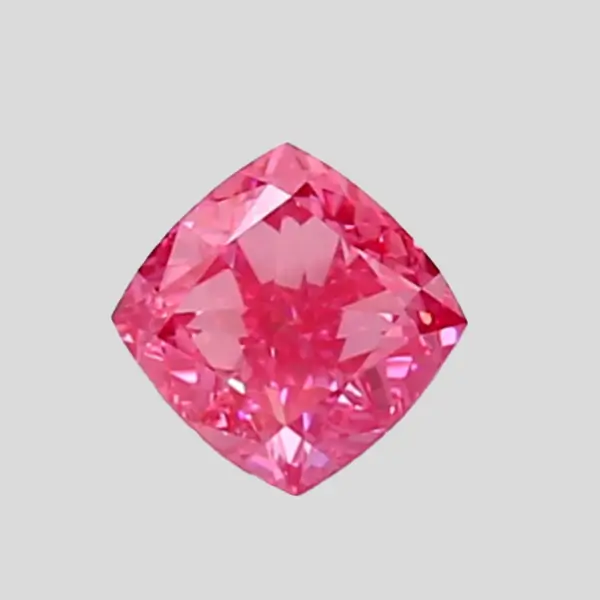
One widespread misconception claims all lab‑grown pink diamonds are uniformly cheap. This oversimplification ignores the steep jump that occurs at Fancy Intense and Fancy Vivid color grades. A 1‑carat Fancy Vivid pink lab‑grown diamond will demand significantly higher spend than a 1‑carat Fancy Light pink lab‑grown diamond, even when clarity and cut match. Another false belief assumes pink lab‑grown diamonds always cost more than colorless lab‑grown diamonds. That statement only holds true for mid‑to‑high saturation pink grades; faint and light pink lab‑grown stones often sit near or even below comparable colorless lab diamond pricing.
Many market participants also mistakenly equate production cost directly to retail selling price. Factory‑level output expenses represent only one segment of the final price. Certification fees, polishing losses, quality screening, global logistics, wholesale distributor margins and retail overhead all layer onto base manufacturing costs. Comparing factory direct quotes against finished retail price tags will therefore create misleading expectations.
Buyers also need to distinguish between as‑grown pink lab‑grown diamonds and stones receiving post‑growth color adjustment. As‑grown pink diamonds develop their pink hue entirely during crystal growth inside the reactor. Other stones receive permanent post‑growth pressure processing to develop or deepen pink color. Both categories produce authentic diamond material, but full transparency about treatment status is essential for honest trade. Reputable grading laboratories will document these processing details on official reports, and buyers should reject sellers that withhold this critical information.
We can now revisit the core question. Are pink lab diamonds more expensive? Relative to ultra‑rare natural pink diamonds, they deliver dramatic cost relief and far broader market accessibility. Relative to colorless lab‑grown diamonds, outcome depends entirely on color saturation. Soft faint pink lab‑grown stones remain competitively priced beside white lab‑grown diamonds, while intense and vivid pink lab‑grown varieties command meaningful premiums over colorless equivalents. The market landscape keeps evolving as synthesis technology advances, expanding access to beautiful pink diamond aesthetics for jewelry brands and end consumers across the world.
Leave a Reply