Can Lab Grown Diamond Turn Into Pink Anytime
Many market buyers hold a simple assumption that any lab‑grown rough diamond can be converted to fancy pink at any production stage. This common misconception drives countless inquiries across wholesale channels, yet real‑world diamond manufacturing shows strict physical and technical boundaries that cannot be bypassed. Even with modern‑day crystal manipulation techniques, you cannot pick any random lab‑grown diamond and reliably produce stable pink output whenever you want. Crystal baseline quality, internal impurity levels, original growth structure and processing sequencing all define whether a stone can successfully develop pink hues. Many inexperienced sourcing teams learn this lesson after investing in rough batches that never deliver expected pink saturation, wasting time and material resources.
Crystal prerequisites for generating pink hue in lab‑grown diamonds
Pink color within diamond crystals does not come from simple surface staining or adding pigment layers. It originates from precisely formed nitrogen‑vacancy color centers locked inside diamond lattices, which absorb specific bands of visible light and reflect pink‑toned spectrums to human eyes. Not every lab‑grown diamond carries the necessary internal foundation to build these color centers. Stones with near‑zero nitrogen content will rarely respond to standard workflows intended for pink generation. Excessive metal inclusions, heavy lattice damage or severe strain defects can also block consistent pink formation, leading to muddy brown, grey or purplish secondary tones instead of clean fancy pink grades.
HPHT‑grown rough usually carries controllable nitrogen baseline, making it more predictable for downstream color modification. Most as‑grown CVD rough tends to show brown or light‑brown body color straight out of deposition chambers, and only selected material with moderate nitrogen concentration qualifies for further pink conversion work. Stones with extremely high nitrogen content may turn deep orange or red after processing rather than target pink shades. Production teams must perform pre‑screening spectroscopy tests before committing rough material to color‑adjusting workflows. Skipping this pre‑evaluation will result in high reject rates, even if you follow every processing step exactly. This is the core reason why you cannot turn arbitrary lab‑grown diamond into pink whenever you wish.
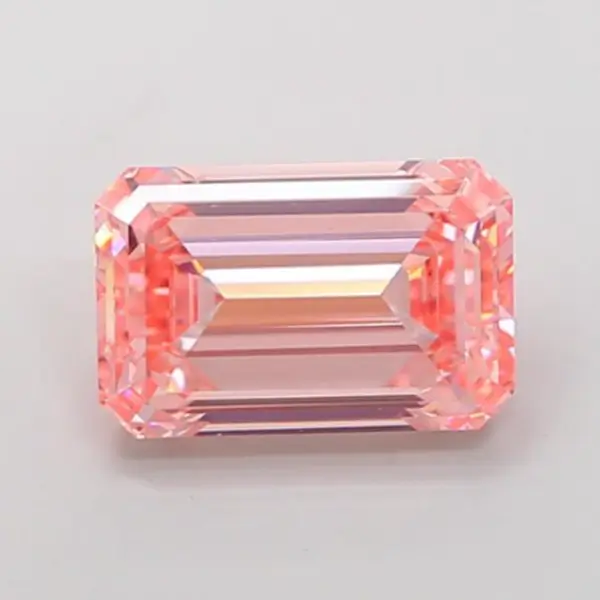
How material selection shapes practical outcomes of color conversion
Manufacturing teams spend considerable effort sorting incoming rough to separate stones with promising potential from those unsuitable for pink output. A piece of colorless lab‑grown diamond with almost no nitrogen will normally resist all standard workflows for pink creation. Some stones may show faint pink hints after processing but fail to reach market‑acceptable saturation, staying at pale pink levels with strong grey modifiers that lower commercial value.
Lab diamond pink process combines multiple sequential manufacturing phases rather than one‑step magic transformation. After selecting qualified rough material, producers first complete preliminary shaping. Irradiation introduces controlled crystal damage across diamond internal structure. Next comes carefully calibrated annealing cycles under precise temperature ranges to rearrange carbon atom positions and form stable nitrogen‑vacancy centers responsible for pink color display. Parameter fine‑tuning matters enormously here. Minor shifts in heating duration or irradiation dosage can swing final output from attractive fancy pink to undesirable brownish‑pink or purplish‑pink. Each diamond crystal reacts slightly differently even under identical machine settings, so mass batches always include yield variance.
It is critical to note that processing cannot rescue fundamentally unsuitable rough material. No matter how many times you re‑run irradiation and annealing cycles on poorly selected crystals, satisfactory pink color will not emerge. Repeated aggressive processing may instead introduce permanent internal fractures, ruin clarity grades and render stones commercially useless. That explains why experienced operators prioritize initial spectroscopic screening instead of trying to fix unfit rough through repeated processing attempts.
Working principles and realistic limits of lab diamond pink treatment
Modern gem‑grade color modification delivers stable pink results for properly selected stones, yet operators must respect clear physical thresholds. Lab diamond pink treatment relies on irradiation paired with controlled thermal annealing, and these workflows produce permanent color changes for qualified stones under daily jewelry wear conditions. Still, treatment success is conditional, not guaranteed for every input diamond. Some stones exhibit photochromic behavior, showing slight temporary tone shifts under strong ultraviolet light exposure, though this effect reverts once UV source is removed and does not represent permanent color loss.
Market confusion often emerges when clients expect existing finished polished diamonds to be sent back and turned pink on demand. Once a diamond is fully cut and polished, risks increase substantially during color‑altering workflows. Finished polished stones face higher probability of developing surface micro‑cracks, cloudiness or clarity degradation under irradiation and high‑temperature annealing. Many manufacturing operations decline processing fully polished inventory for pink conversion exactly to avoid these costly defects. Rough material before faceting remains the preferred starting point for pink production. Attempting to treat polished finished goods raises reject rates sharply and creates financial risk for stock holders.
Customers also need to understand that treatment cannot dial‑in exact pink shades on demand. You can aim for fancy light pink, fancy pink or fancy vivid pink ranges, but exact hue intensity and secondary modifiers like purple or orange are partially determined by original crystal chemistry. Two stones processed within identical machine parameters can deliver slightly different visual pink appearances. Transparent disclosure of applied treatment stays mandatory for all gem‑trade grading reports, following global gem‑lab standards from IGI and GIA.
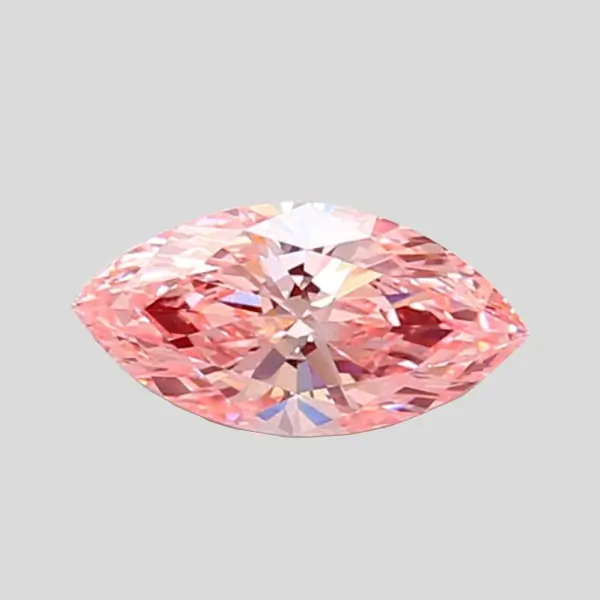
Understanding lab diamond color change across different production scenarios
False narratives circulate claiming any lab‑grown diamond can freely switch between colorless and pink states any number of times. Lab diamond color change after professional color‑adjusting treatment is permanent for properly processed gem‑grade stones under normal use conditions. You cannot toggle a diamond back and forth between colorless and pink like adjusting a light switch. Once stable nitrogen‑vacancy color centers establish inside lattice, reversing them requires extreme high‑pressure high‑temperature conditions powerful enough to dismantle those color centers. Such harsh processing can easily damage diamond clarity and structural integrity.
Rare experimental silicon‑doped CVD diamonds demonstrate reversible photochromic shifts between pink and blue when exposed to UV light, but these remain niche research‑stage materials and are not mainstream commercial inventory for jewelry production. Standard commercial pink lab‑grown diamonds sold today do not feature this reversible switching property. Consumers and wholesale buyers should not confuse these lab‑research samples with regular gem‑stock. Real commercial pink lab‑grown diamonds hold their pink hue stably throughout jewelry wear, and they will not spontaneously revert back to colorless on their own.
Many sourcing teams mix up two separate scenarios: generating pink during original crystal growth versus modifying color after growth. True as‑grown pink lab‑grown diamonds without post‑growth color adjustment exist but remain extremely scarce and expensive. The vast majority of commercially available pink lab‑grown gems go through post‑growth workflows after crystal growth completes. This distinction is essential for buyers negotiating pricing and reviewing lab grading documentation.
Supply chain landscape for lab created pink diamonds factory china
Global wholesale demand for fancy pink lab‑grown diamonds keeps climbing, driven by engagement jewelry, fashion collections and custom‑order pieces. Lab created pink diamonds factory china maintains complete industrial chains covering crystal growth, color‑modifying processing, cutting‑polishing and certification coordination. These facilities run both HPHT and CVD growth equipment, alongside dedicated irradiation and annealing stations built for fancy‑color diamond production. Production teams carry out strict pre‑screening spectroscopy to pick suitable rough material before initiating pink conversion workflows, keeping overall reject rates under controlled levels.
These manufacturing hubs support varied order specifications covering full size spectrum from tiny accent stones up to large carat‑size fancy pink loose diamonds. Buyers can request different pink intensity grades ranging from fancy light pink through fancy vivid pink, with clear documentation for every applied color‑modifying procedure. Factories work closely with internationally recognized gem‑testing labs to issue grading reports, ensuring full transparency for downstream jewelers and retail partners. Material traceability stays embedded inside every production batch so clients understand which workflows each diamond has experienced.
Alongside large carat pink diamonds, small accent stones occupy large share of market consumption. Lab grown diamond melee companies supply calibrated tiny pink melee stones for pave‑setting, halo mounting and intricate jewelry designs. These small‑size stones follow identical material‑selection rules before pink conversion. Only melee rough with proper nitrogen levels can achieve stable pink color output. Poor‑quality melee rough batches will produce inconsistent color lots mixing pale pink, grey‑pink and off‑tone stones, creating major headaches for jewelry assembly workshops. Reputable suppliers implement batch sampling and visual sorting after color treatment to guarantee lot‑to‑lot consistency for wholesale customers.
Sourcing teams should avoid unrealistic expectations when placing pink melee orders. Even well‑optimized factory workflows deliver certain percentage of off‑grade stones within each production run. Open communication between purchasers and suppliers about acceptable tone ranges helps prevent disputes upon goods arrival. Reliable suppliers share sample reference stones ahead of bulk orders so buyers can validate color appearance before committing to large‑volume purchases.
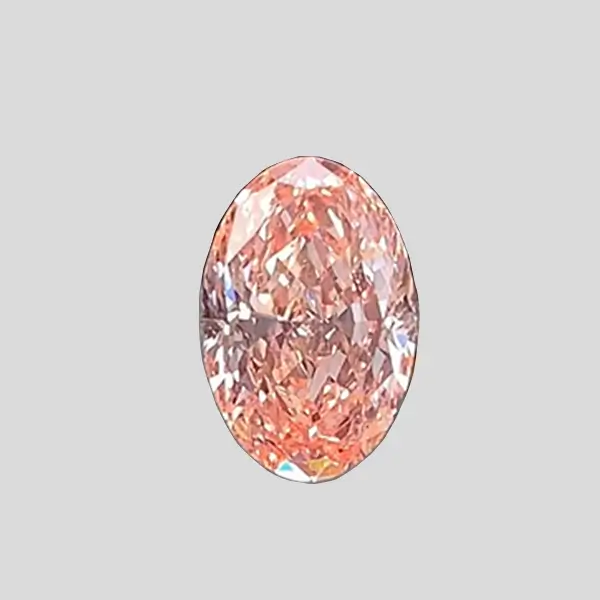
Practical advice for buyers sourcing pink lab‑grown diamonds
Anyone sourcing pink lab‑grown diamonds should abandon the idea that any diamond stock can be turned pink at any moment. Start discussions with suppliers about rough pre‑selection standards, expected yield ratios and possible secondary tones for each target pink grade. Request clear information about which color‑modifying workflows have been applied to stones you intend to purchase, and always verify corresponding gem‑lab reports.
If you hold existing polished lab‑grown diamond inventory and wonder whether those pieces can be converted to pink, exercise caution. Most producers advise against treating finished polished goods for pink transformation due to elevated risk of clarity damage. Investing in suitable rough material and processing before faceting delivers far better commercial yield. For melee projects, ask suppliers about post‑treatment sorting protocols to confirm color consistency across calibrated lots.
Keep realistic expectations on final color outcomes. While modern manufacturing delivers impressive fancy‑pink lab‑grown diamonds, absolute identical color across every single stone within big batches cannot be achieved. Understanding these technical realities helps buyers set reasonable budgets, reduce unexpected losses and build stable long‑term sourcing arrangements within the fancy‑color lab‑diamond market.
Leave a Reply