The Rising Popularity of Lab‑Grown Pink Diamonds in Luxury Markets
Paradigm Shift in Global Luxury Gemstone Consumption
The global luxury jewelry industry has undergone a profound structural transformation over the past five years, with colored gemstones emerging as the core growth driver replacing traditional white diamonds. Natural pink diamonds, once hailed as the most exclusive luxury gemstones in the world, have faced severe supply shortages since the permanent closure of Australia’s Argyle mine in 2020, which supplied over 90 percent of the world’s natural pink diamond resources. The scarcity of natural pink diamonds has pushed market prices to an unaffordable level for most mid-to-high-end luxury consumers, creating a huge market gap for high-quality pink diamond products. As professional producers in the gemstone manufacturing sector, we have witnessed and promoted the rapid market penetration of innovative gemstone solutions that balance luxury aesthetics, ethical production and cost efficiency. luxury lab diamonds have stepped into the spotlight of the high-end market in this context, redefining the consumption logic of modern luxury jewelry and becoming a pivotal force driving the iteration of the global luxury diamond industry.
Unique Value Advantages of Cultured Pink Diamond Products
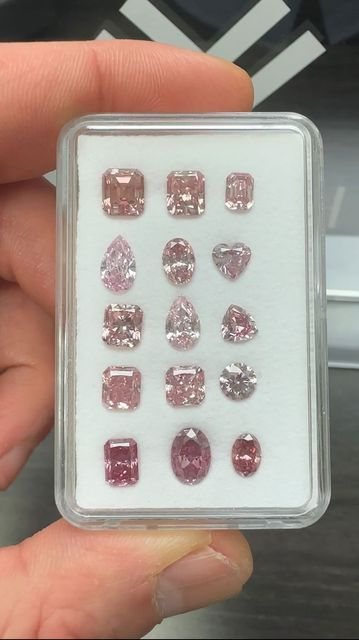
Traditional luxury consumption used to equate scarcity with natural mineral formation, but contemporary high-end consumers prioritize comprehensive value including appearance, quality, ethics and sustainability. cultured pink diamonds perfectly fit the new consumption demands of the luxury market, breaking the monopoly of natural pink diamonds in the high-end jewelry field. Different from natural pink diamonds that form color randomly under extreme geological conditions, cultured pink diamonds produced through mature laboratory cultivation technology have controllable color grades, stable clarity and consistent cutting proportions. Manufacturers can precisely adjust production parameters to create fancy light pink, intense pink and vivid pink diamonds that meet different luxury design needs. In terms of ethical attributes, these lab-cultivated diamonds eliminate the environmental damage and labor disputes caused by traditional diamond mining, meeting the sustainable development pursuit of global luxury brands. Meanwhile, their price advantage is prominent—high-grade cultured pink diamonds only account for 20 to 30 percent of the price of natural pink diamonds with the same parameters, enabling more luxury consumers to own rare pink diamond jewelry without compromising quality and taste.
Core Changes Shaping Contemporary Luxury Diamond Consumption
The prosperity of the lab-grown pink diamond industry is inseparable from the overall adjustment of the high-end consumption ecosystem. Luxury market trends in recent years clearly show that personalized, sustainable and cost-effective luxury products are gradually replacing rigid traditional luxury goods. Modern luxury consumers, especially young high-net-worth individuals and fashion practitioners, no longer blindly pursue the so-called natural origin of gemstones. They pay more attention to the design sense, unique temperament and brand value of jewelry works. Lab-grown pink diamonds, with their soft and elegant color tone and rare visual texture, are highly compatible with the minimalist and personalized design trend of contemporary luxury jewelry. Major international luxury jewelry brands have successively launched exclusive pink diamond series made from laboratory-grown raw stones, covering engagement rings, high bespoke pendants, luxury earrings and senior custom jewelry. This market trend has completely changed the marginal status of colored lab-grown diamonds in the luxury industry and built a stable high-end market demand system.
Industrial Layout and Technical Strength of Synthetic Diamond Producers
Behind the booming market of lab-grown pink diamonds lies the continuous technical iteration and industrial upgrading of upstream production enterprises. Synthetic diamond manufacturers have invested heavily in technological research and production equipment upgrading in recent years, realizing qualitative breakthroughs in color control, clarity optimization and large-carat molding of pink diamonds. In the early stage of the industry’s development, synthetic pink diamonds had problems such as uneven color distribution, low clarity and small single-carat weight, which limited their application in high-end luxury scenarios. After years of technical polishing, leading manufacturers have optimized HPHT high-pressure high-temperature growth technology and CVD chemical vapor deposition technology, effectively solving the technical pain points of pink diamond cultivation. At present, mature production lines can stably produce 1 to 5 carat high-clarity vivid pink diamonds, with color grading completely consistent with international natural diamond grading standards. Standardized production processes and strict quality inspection systems have also enabled synthetic pink diamonds to obtain international authoritative certifications, laying a solid foundation for their recognition in the global luxury market.
Precise Production and Customization Advantages of Professional Diamond Factories
As the terminal link connecting upstream technology and downstream luxury market demand, professional production factories determine the product competitiveness and market popularization speed of lab-grown pink diamonds. Lab diamond pink factory relies on refined production management and customized service capabilities to meet the differentiated needs of global luxury brands and high-end retailers. Different from mass-produced white lab-grown diamonds, pink diamond production requires precise parameter control in every link from raw material growth, cutting and polishing to finished product screening. Professional pink diamond factories adopt a personalized production mode, which can adjust color saturation, crystal shape and cutting style according to the customized needs of luxury brands. In terms of quality control, each batch of products will undergo multi-layer manual screening and instrument detection to ensure no color difference, no flaw and stable texture of finished diamonds. In addition, factories have built flexible production chains that can quickly respond to market order changes, realizing small-batch and high-precision customized production for high-end luxury customized orders. This professional production capability makes lab-grown pink diamonds widely used in high-end luxury customization, fashion week exhibition works and celebrity private customization scenarios.
Future Development Prospects of Lab-Grown Pink Diamonds in Luxury Fields
From the perspective of industrial development, the market growth momentum of lab-grown pink diamonds in luxury scenarios will continue to strengthen in the next three to five years. On the demand side, the global sustainable luxury concept is further popularized, and more consumers will reject traditional mined diamonds with ethical risks and choose environmentally friendly lab-grown gemstones. The scarcity of natural pink diamonds will continue to push up their market prices, further expanding the price advantage and market space of lab-grown pink diamonds. On the supply side, the continuous improvement of manufacturing technology will further improve the yield and quality of high-grade pink diamonds, and production costs will be further optimized, helping products penetrate more mid-to-high-end luxury market segments. At the same time, with the in-depth cooperation between manufacturers and international luxury brands, lab-grown pink diamonds will be integrated into more high-end jewelry design systems, launching more artistic and collectible luxury works. Unlike ordinary consumer-grade lab-grown diamonds, high-quality lab-grown pink diamonds have gradually formed certain collection and appreciation value, becoming a new favorite in the luxury gemstone investment market. For upstream manufacturers, adhering to technological innovation, standardized production and customized services will be the core competitiveness to occupy the high-end luxury market in the future. The integration of technology, aesthetics and sustainability will eventually make lab-grown pink diamonds a permanent classic in the global luxury jewelry industry.
Leave a Reply