Lab‑Grown Pink Diamonds vs Natural Pink Diamonds
Pink diamonds hold exceptional appeal within fine jewelry markets, drawing designers, retailers and gem collectors toward their soft, vivid hue. Even though lab‑grown pink diamonds share identical chemical composition, hardness and optical performance with natural pink diamonds, fundamental distinctions separate these two gem categories across origin, visual traits, market positioning and practical application. Understanding these critical distinctions helps industry participants make informed gem selection for high‑end rings, earrings, pendants and custom jewelry projects.
How Crystal Development Shapes Gemstone Identity
Pink diamond formation unfolds under vastly different environmental conditions for mined and laboratory‑produced stones. Natural pink diamonds originate deep within earth’s mantle, exposed to billions of years of extreme shear pressure that creates plastic deformation across diamond crystal lattices. This physical distortion rearranges carbon atom arrangements without introducing foreign impurity elements, generating the iconic pink tone that distinguishes these rare natural gems. Most natural pink rough material endured violent volcanic eruptions to reach accessible mining zones, and only a tiny fraction of recovered rough qualifies for faceted gem‑grade output.
Lab‑grown pink diamonds develop inside controlled growth chambers via HPHT or CVD technology, replicating diamond crystal growth without geological timescales. Base diamond crystals grow first, and post‑growth treatments such as irradiation and thermal annealing modify internal lattice defects to produce pink coloration. Growth cycles for premium lab‑grown pink stones may span several weeks, and yield rates for fancy vivid pink grades remain constrained despite full human control over manufacturing parameters. While lab environments can replicate diamond carbon structure, they cannot perfectly recreate the natural plastic deformation mechanism responsible for most natural pink diamond color signatures. These formation differences lay groundwork for observable gemological and commercial gaps between the two stone groups.
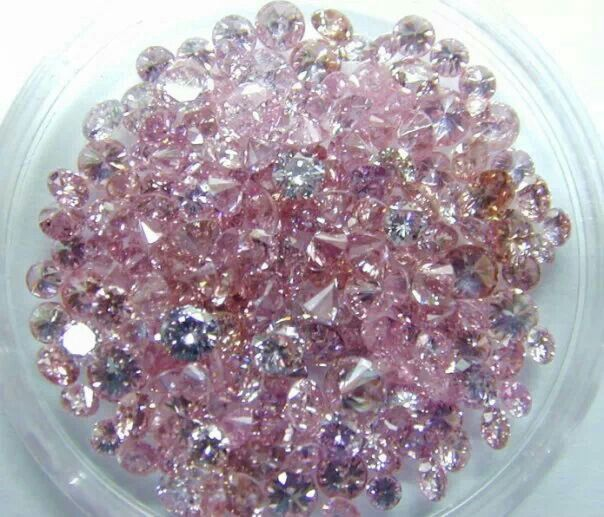
Sources That Define Pink Hue Expression
Pink diamond color source represents one of the most studied gemological topics for fancy‑color diamond grading laboratories. Natural pink diamonds achieve their signature color predominantly through structural lattice deformation, rather than nitrogen or boron trace elements that create yellow and blue diamond tones respectively. Distinct pink graining patterns often appear as parallel internal bands visible under magnification, and these grain orientations directly influence how light refracts across faceted surfaces. Minor nitrogen‑vacancy color centers can appear in rare natural pink samples, yet such cases remain statistically uncommon among mined inventory.
Lab‑grown pink diamonds predominantly derive pink color from nitrogen‑vacancy defects triggered by radiation exposure and controlled heat treatment post‑crystal growth. Even with identical fancy color grade labels on certification documents, light dispersion can show subtle shifts between stones of differing color sources. Some lab‑grown pink variants carry faint secondary orange or purple modifier tones that manufacturing teams adjust through fine‑tuned annealing cycles. Gemologists rely on spectroscopic testing to reliably separate color source signatures when visual inspection cannot draw clear conclusions.
Rarity Metrics Across Two Supply Systems
Pink diamond rarity reshapes pricing and allocation strategies across global gem markets. Natural pink diamonds represent less than 0.01 percent of all mined diamond volume worldwide, with historically dominant supply flowing from the now‑closed Argyle mine in Western Australia. Large carat‑weight natural pink specimens with saturated fancy vivid color are extraordinarily scarce, pushing auction values to record‑breaking figures for top‑tier examples. Even mid‑tone natural pink rough material encounters limited availability, forcing long lead times for procurement of consistent production batches.
Lab‑grown pink diamonds remove geological scarcity but still face technical‑driven rarity. Achieving stable fancy vivid pink shades demands precise adjustment of growth parameters and post‑growth processing, and reject rates stay substantial for high‑color‑grade output. Large sizes above two carats in premium pink grades still carry limited stock, though overall supply volume far exceeds natural pink diamond availability. This dynamic creates a market contrast: natural pink diamond rarity stems from finite geological deposits, while lab‑grown pink diamond rarity originates from complex manufacturing thresholds.
Grading Standards For Pink Hue Evaluation
Pink diamond color scale follows standardized fancy‑color diamond grading protocols applied equally for lab‑grown and natural pink diamonds by major gem certification laboratories including GIA and IGI. Classification progresses sequentially from Fancy Light Pink, Fancy Pink, Fancy Intense Pink up to the highly coveted Fancy Vivid Pink. Secondary modifier tones such as purple‑pink, orange‑pink or brown‑pink are documented formally on grading reports, and modifier presence directly impacts perceived beauty and market value.
Visual assessment evaluates three core components: hue, tone and saturation. Tone describes lightness or darkness within the pink spectrum, while saturation quantifies color intensity. A stone can carry a pink hue yet suffer low saturation, resulting in faint, washed‑out visual performance under retail lighting. Both lab‑grown and natural pink diamonds can attain top‑tier Fancy Vivid grading, yet natural stones more frequently display subtle color zoning linked to geological formation. Manufacturers cross‑reference grading report descriptions against real‑world lighting conditions, as screen representations often misrepresent actual pink saturation for jewelry production workflows.
Internal Crystal Feature Comparison
Inclusion differences deliver critical diagnostic markers for gemologists distinguishing lab‑grown pink diamonds from natural pink diamonds, alongside influencing clarity grading and stone market value. Natural pink diamonds commonly contain mineral inclusions trapped during mantle formation, alongside grain lines, fracture planes and feather features created by billions‑year geologic stress events. Plastic deformation graining, visible under magnification, serves as a hallmark feature for most natural pink diamonds. These internal marks tell the geological history of each natural specimen, even when they reduce formal clarity grades.
Lab‑grown pink diamonds display growth‑specific internal features. HPHT‑grown specimens may show metallic flux inclusions leftover from the growth environment, while CVD‑produced stones feature distinct layered growth structures observable under cross‑polarized light. Post‑growth irradiation and annealing can generate characteristic dislocation patterns absent in natural pink material. It is important to note that high‑clarity lab‑grown pink diamonds can achieve VS or VVS grades comparable to premium natural stones, yet inclusion type and distribution remain diagnostically distinct. Clarity grade alone cannot separate lab‑grown from natural pink diamonds; professional gemological instrument analysis remains mandatory for definitive identification.
Market Players Shaping Global Gem Access
Lab created diamond companies operate advanced production facilities focused on scaling consistent fancy‑color diamond output, with significant manufacturing capacity concentrated across Asia and other global industrial hubs. These operators continuously refine HPHT and CVD workflows to boost yields of desirable pink color grades, reduce secondary unwanted modifier tones, and improve crystal consistency for mass jewelry manufacturing. Many operators maintain dedicated quality‑control laboratories to screen rough material before faceting, filtering out stones with unstable color or problematic internal defects.
Numerous enterprises expand cross‑border distribution channels, and lab grown diamonds pink supplier china delivers sizable volumes of faceted lab‑grown pink diamonds to overseas jewelry studios, design houses and retail partners. These supply chain participants provide flexible order options covering mixed carat ranges, multiple color grades and custom cut specifications. Reputable suppliers cooperate with internationally recognized gem certification bodies to ensure every shipped stone carries complete documentation for origin disclosure and quality verification. Buyers should verify production traceability and certification authenticity while evaluating potential supplier partnerships.
Practical Sourcing Principles For Jewelry Production
procurement guidelines help industry participants mitigate risks when sourcing either lab‑grown or natural pink diamonds for finished jewelry lines. First, formal gemological certification is non‑negotiable. Every fancy pink diamond should carry a full laboratory report explicitly stating stone origin, complete color grading, clarity details and spectroscopic test findings. Avoid purchasing fancy pink diamonds supported only by supplier self‑assessment without independent third‑party verification.
Define clear color tolerance thresholds before placing orders. Pink color perception shifts dramatically under warm indoor light, cool showroom illumination and natural daylight. Request physical sample sets rather than relying exclusively on digital product photos, as screen calibration often distorts pink saturation representation. Establish written specifications covering acceptable secondary color modifiers, carat weight tolerance ranges and clarity limits. For commercial jewelry production, confirm lead times for restocking, return policies for off‑grade stones and origin disclosure compliance requirements for target sales regions.
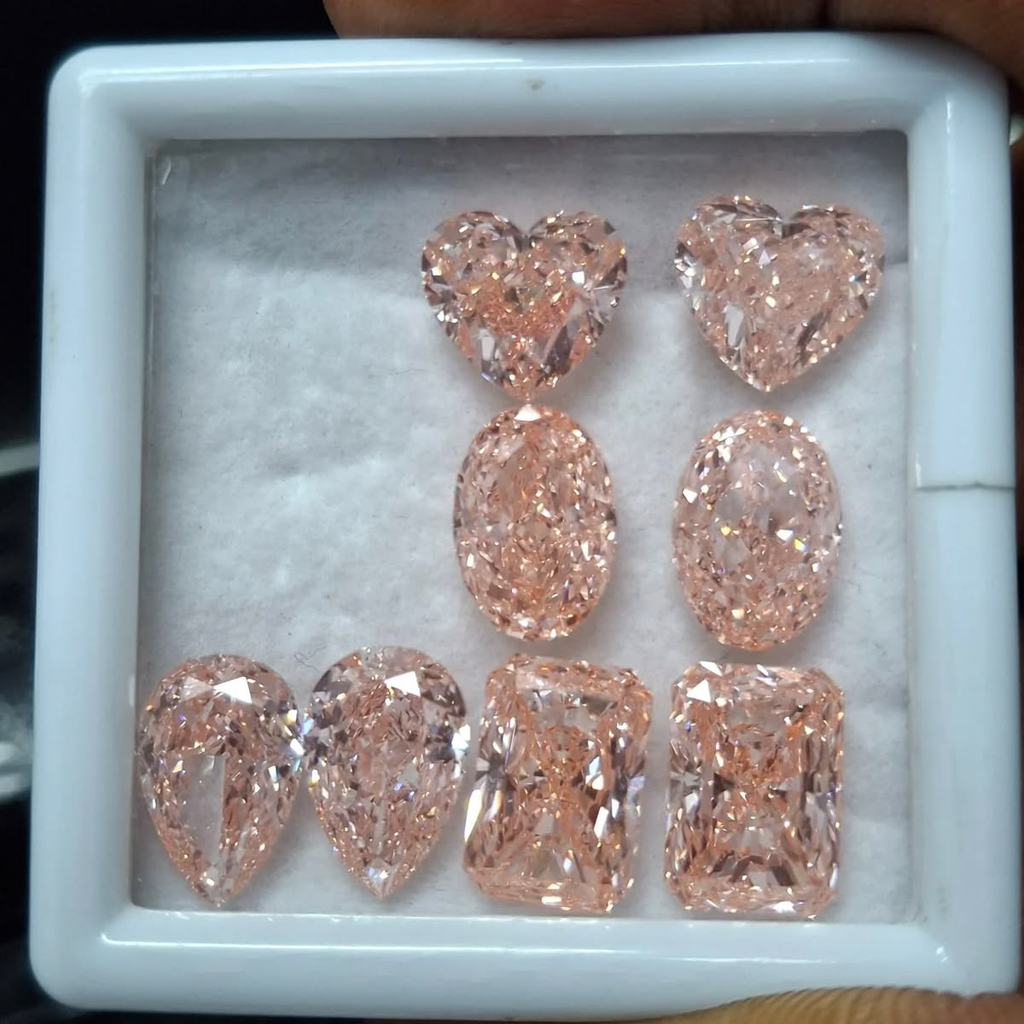
When designing finished jewelry that incorporates pink diamonds, hardware performance directly impacts end‑user satisfaction. hoop earring clasps represent one practical hardware consideration for popular pink‑diamond‑set hoop earrings, a best‑selling style for colored‑diamond jewelry collections. Large‑diameter hoops set with pavé or accent pink diamonds exert noticeable physical pull on ear piercings. Hinged click‑lock and reinforced latch‑back variants deliver superior security compared to basic thin wire closures for heavier gem‑set hoops. Hardware material selection should match primary jewelry metal, and surface finishing must resist premature wear with repeated opening and closing. Even exceptional pink diamond faceting will fail to satisfy customers if earring hardware suffers easy opening or rapid mechanical failure. Jewelry developers must balance gemstone beauty with durable functional hardware during product development cycles.
Commercial Trade‑Offs Between Two Diamond Categories
Market positioning creates clear dividing lines for lab‑grown pink diamonds versus natural pink diamonds. Natural pink diamonds carry heritage value anchored to geological rarity, supporting investment‑oriented clientele, museum‑grade collections and ultra‑high‑net‑worth consumer segments. Pricing for natural pink diamonds rises sharply with improved color saturation and larger carat sizes, and market liquidity for top‑grade natural material stays strong within auction circuits. Supply constraints force designers to adapt creative concepts around available rough inventory, rather than ordering exact custom parameters.
Lab‑grown pink diamonds unlock fancy pink aesthetics for broader consumer demographics, delivering comparable visual brilliance at substantially lower price points. Design teams can source precise carat sizes, exact cuts and targeted color grades to match collection briefs, a major advantage for seasonal jewelry launches and mass‑customized product offerings. Market acceptance continues expanding, yet resale performance differs greatly from natural pink diamond counterparts. Transparent origin disclosure remains a legal requirement across multiple major consumer markets, and responsible sellers clearly communicate lab‑grown status to end buyers.
Both variants occupy valid spaces within modern fine‑jewelry ecosystems. Natural pink diamonds celebrate unrepeatable geological legacy, while lab‑grown pink diamonds democratize access to coveted pink diamond beauty through advanced manufacturing innovation. Gem selection ultimately hinges on project goals, target audience expectations, budget boundaries and compliance obligations for every jewelry business. As gem‑growing technology keeps advancing, ongoing gemological education will remain essential for anyone working with these mesmerizing pink gemstones
Leave a Reply