Archives 2026

How Long Do Lab Grown Pink Diamonds Take to Grow

Pink lab‑grown diamonds occupy a highly sought‑after niche within colored gemstone markets, attracting consistent demand from jewelry designers, retail brands, and volume buyers across global regions. Many industry participants assume crystal growth follows fixed timelines, yet actual production cycles shift dramatically based on manufacturing technology, target carat weight, desired pink color intensity, and acceptable yield thresholds. Even with modern automated reactor equipment, producing stable fancy pink lab diamonds cannot be rushed, and every production phase carries technical risks that extend total turnaround. Understanding real‑world growth durations helps buyers set realistic order timelines, avoid misaligned delivery expectations, and evaluate the capacity of potential supply partners.

Core Growth Timelines Between CVD and HPHT Production Routes

Two dominant technical pathways create lab‑grown diamond rough, and each delivers distinct baseline growth windows for pink material. HPHT, or high‑pressure high‑temperature, mimics the extreme geological conditions that form natural diamonds underground, compressing carbon feedstock alongside diamond seed crystals inside sealed press chambers at temperatures near 1500 degrees Celsius and pressures above five gigapascals. Small melee‑sized rough stones under 0.5 carat can complete primary crystal growth within seven to ten days, while one‑carat gem‑grade rough generally requires two to three weeks of uninterrupted press operation. Larger rough crystals above two carats push HPHT growth cycles toward three to four weeks, as extended exposure reduces the risk of structural fracture and uneven crystal development.

CVD, chemical vapor deposition, builds diamond atom‑by‑atom inside vacuum plasma chambers by breaking down carbon‑rich gas molecules and depositing carbon layers onto flat diamond seed plates. This method runs 24‑hour continuous cycles, with typical growth rates ranging from 0.1‑0.2 millimeters per hour for premium gem‑quality output. A one‑carat CVD rough diamond commonly takes four to six weeks of chamber runtime, and multi‑carat rough may stretch to eight weeks or longer before harvesting. It is critical to note that neither HPHT nor CVD reliably produces vivid pink color directly during primary crystal growth. Most pink lab‑grown diamonds start as near‑colorless base rough, and pink hues emerge through post‑growth lattice modification processes. This adds extra working days that buyers often overlook when calculating total project timelines.
How Pink Color Intensity Alters Overall Production Cycles

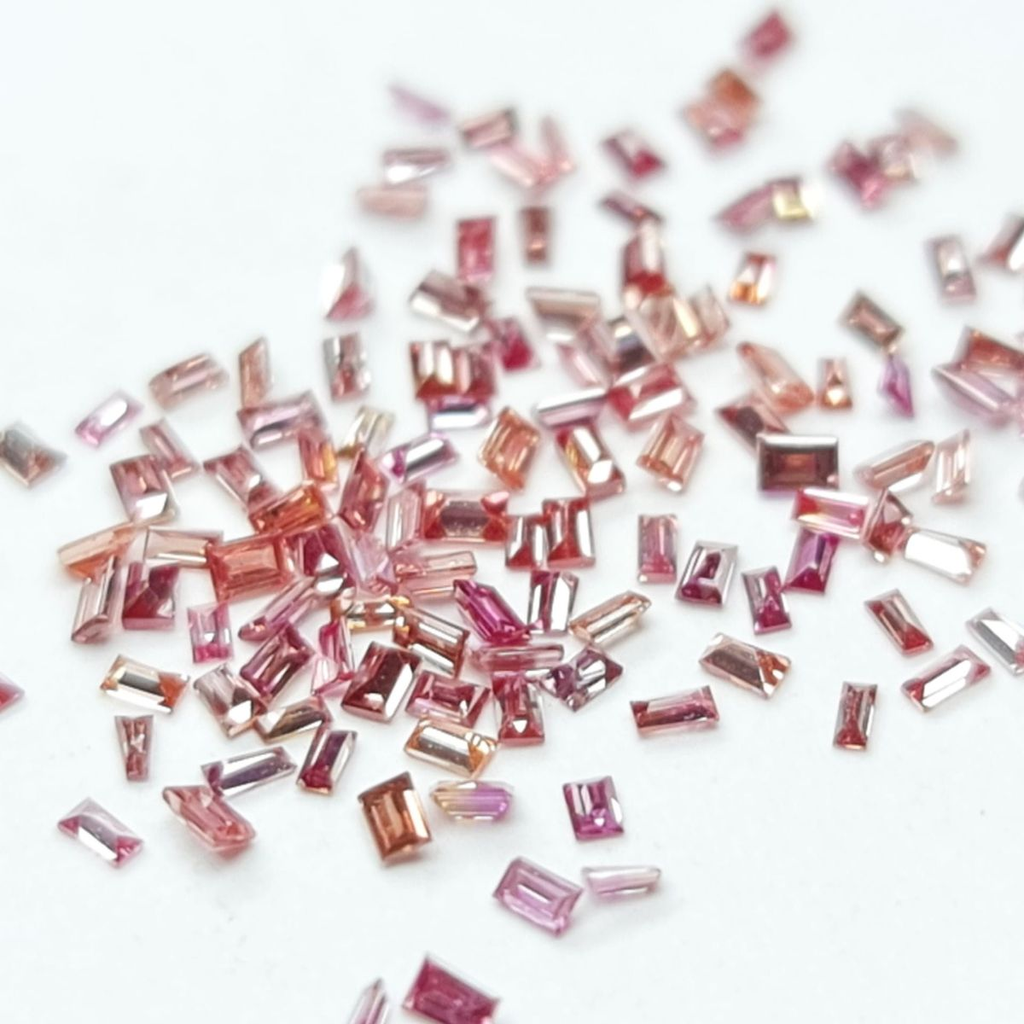
Generating consistent pink tones adds substantial extra workflow beyond basic diamond crystal formation, and fancy vivid pink variants demand far more process hours than fancy light pink alternatives. Base rough crystals exit growth chambers colorless or faintly brown, and producers apply controlled electron irradiation followed by precision thermal annealing to create nitrogen‑vacancy lattice centers that generate characteristic pink coloration. These post‑growth treatments are not quick add‑on steps. Irradiation exposure must be calibrated carefully to avoid over‑damaging crystal structures, and multi‑stage annealing cycles can span multiple days of gradual heating and cooling to lock in stable color without introducing visible internal stress.

Fancy light pink material may only require one round of treatment and quality verification, adding approximately one week to total production time. Stones targeting fancy intense or fancy vivid pink grades frequently need repeated treatment iterations, with intermediate visual and spectroscopic testing between each run. In many production batches, only twenty to thirty percent of treated rough achieves the target pink color grade, while rejected stones revert to white or alternate fancy color categories. Low yield means manufacturers must grow multiple candidate rough crystals to secure a small set of usable pink stones. This cascading effect expands effective lead times significantly. Even if individual crystal growth completes within three weeks, the need to produce backup rough material pushes real‑world delivery timelines outward for high‑color‑grade bulk orders.

Size and Clarity Constraints That Extend Growth Durations

Target carat weight represents one of the most direct variables shaping production schedules for lab‑grown pink diamonds. Melee‑sized rough below 0.3 carat complete growth relatively fast, yet these small pieces still need full post‑growth color treatment runs. When buyers pursue one‑carat and larger finished pink diamonds, rough starting material must be considerably bigger, because cutting and polishing remove a large share of the original crystal mass. Growing larger rough requires longer continuous chamber runtime, and longer growth cycles raise the probability of inclusions, graphite spots, and color zoning defects inside the diamond lattice.

High‑clarity specifications further slow down production. VVS‑grade pink lab‑grown diamonds demand extremely stable growth environments with minimal contamination entering HPHT presses or CVD plasma chambers. Minor fluctuations in temperature, gas flow, or metal flux composition create internal imperfections that disqualify stones from top clarity grades. Operators sometimes intentionally slow crystal growth rates to improve crystal structural integrity, even though slower growth directly increases calendar days spent inside production equipment. For bulk purchasing projects mixing multiple carat sizes and mixed clarity grades, production lines must stagger chamber batches. This means buyers cannot assume every stone in a large parcel will finish on identical timelines, and mixed‑spec bulk lots naturally require longer aggregate lead times.

Additional Workflow Steps Beyond Crystal Growth

Crystal harvesting marks only the midpoint of the complete production journey, and several downstream stages add measurable time before finished stones are ready for shipment. Once rough crystals are removed from growth equipment, teams conduct initial cleaning and visual screening to discard heavily cracked or heavily contaminated pieces. Surviving rough moves to irradiation and annealing workflows for pink color development, followed by gemological re‑inspection to sort stones by achieved color intensity. Stones that pass color qualification go to cutting, faceting, and polishing workshops. Complex fancy shapes such as cushion, radiant, or pear cuts take longer to execute than standard round brilliant cuts, especially when preserving color distribution across the finished facet layout is a priority.

Certification represents another non‑trivial scheduling factor. Sending parcels to independent gemological laboratories for IGI or GIA reports adds waiting periods ranging from several working days up to multiple weeks depending on laboratory backlog. Many buyers request full certification for every stone inside bulk shipments, which cannot be completed until cutting and polishing are fully finished. Inventory held in finished stock bypasses most of these cycles, but custom bulk orders built from newly‑grown rough must account for every sequential phase. pink lab diamonds supplier, lab pink diamond manufacturer, bulk lab diamond supplier, lab created pink diamonds supplier, and lab grown diamond vendors each handle these downstream workflows differently, creating wide gaps between stated crystal‑growth times and actual order delivery dates. Reputable supply partners break down full‑cycle timelines rather than quoting only raw crystal‑growth durations, helping customers set realistic inventory planning schedules.
Real‑World Lead Time Expectations for Bulk Order Planning

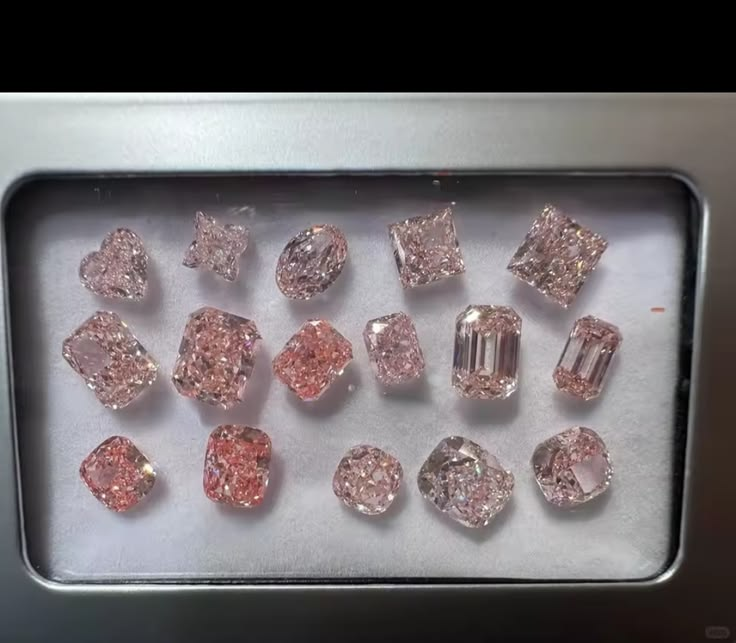
Distinguishing between in‑stock finished inventory and custom‑to‑grow bulk orders is essential for purchasing teams. When finished certified pink lab‑grown diamonds sit in existing warehouse inventory, parcels can be inspected, re‑checked for color consistency, and prepared for dispatch within a few business days. This scenario represents the fastest possible fulfillment path for bulk buyers. When exact specifications cannot be matched from existing stock, full custom production cycles activate. For melee‑size parcels targeting fancy light pink with VS‑SI clarity, combined growth, color treatment, cutting, polishing, and certification commonly run six to eight weeks. Orders focused on one‑carat‑plus fancy intense or fancy vivid pink lab‑grown diamonds frequently require eight to twelve weeks of total turnaround, and very large multi‑carat custom pieces may extend beyond three months due to low production yields.

Buyers often underestimate the impact of batch consistency requirements for bulk parcels. Sourcing a single high‑quality pink lab‑grown diamond carries one set of challenges, but assembling a large parcel with matching pink hue, saturation, tone, and clarity raises complexity substantially. Even when individual stones finish production on schedule, teams may need to hold partial shipments while waiting for additional matching stones to complete processing. Working directly with established supply sources reduces risks of extended delays, as experienced operations maintain multiple parallel growth chambers and accumulated process knowledge for pink color tuning. Unverified intermediaries sometimes quote unrealistically short lead times, without accounting for post‑growth color treatment failure rates, which can create costly project delays for jewelry brands relying on timely inventory arrivals.

Practical Guidance for Buyers Managing Production Timelines

Every purchasing project should separate raw crystal‑growth duration from complete end‑to‑end order lead time. Ask supply contacts to document time allocations for crystal growth, post‑growth color modification, cutting, polishing, gem certification, and quality sorting for bulk parcels. Clearly communicate color grade tolerances in written specifications, including acceptable ranges for hue and saturation, because minor color shifts can disqualify stones from your parcel and force additional production runs. Build safety buffers into internal project timelines, especially for seasonal inventory builds or product launch deadlines.

Prioritize partners that can share yield‑rate context for your target pink color grades. A supplier that openly discusses expected reject percentages helps you anticipate realistic timelines, rather than promising perfect results on aggressive schedules. Where possible, review sample stones matching your target specifications before placing large‑volume commitments. Comparing finished samples reveals how actual color performance translates from production descriptions to physical gemstones. When evaluating potential partners, confirm whether they manage irradiation and annealing processes in‑house or outsource these critical color‑setting steps. Outsourced treatment workflows introduce extra shipping and scheduling variables that can lengthen overall order cycles. Understanding the full technical journey of lab‑grown pink diamonds empowers buyers to make better sourcing decisions, avoid scheduling pitfalls, and align purchasing expectations with genuine manufacturing realities.
How Long Do Lab Grown Pink Diamonds Take to Grow

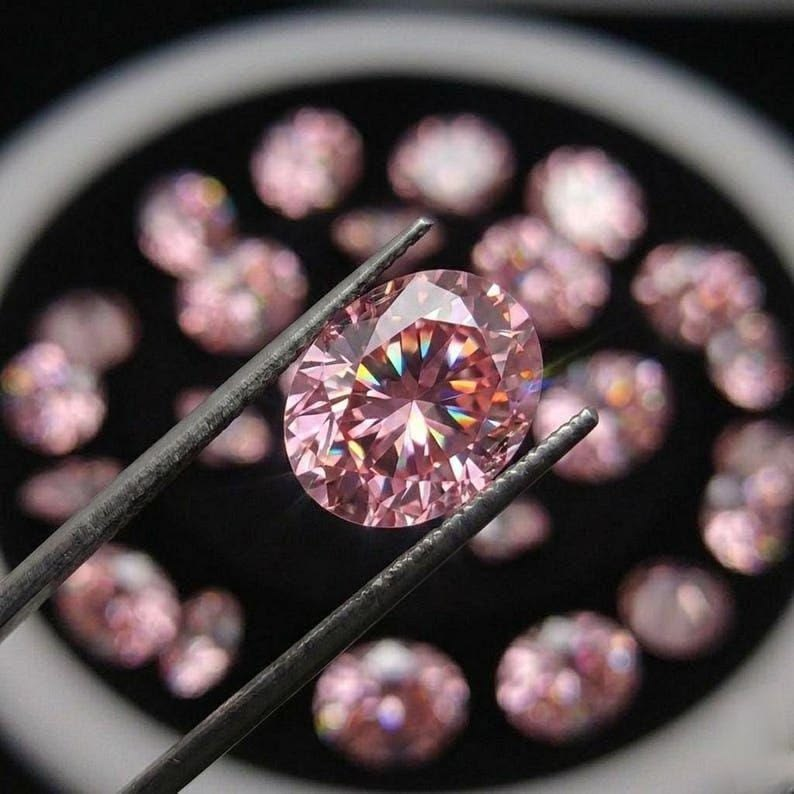
Every gem‑quality lab grown pink diamond requires carefully controlled crystal formation before it reaches the polished stage ready for jewelry assembly. Many industry buyers and jewelry designers hold inaccurate assumptions about how fast pink fancy diamonds can be completed, and some confuse rough crystal growth with full production workflows that include post‑growth treatment, cutting, polishing and certification. Realistic timelines directly shape inventory planning, custom order lead times and cost expectations for every market participant. Growth cycles are never fixed numbers, as multiple technical variables shift the total hours and weeks required for each individual stone. Even stones with identical target carat weight can show large gaps in completion time if color saturation, clarity thresholds or manufacturing methods differ significantly.

Core Differences Between HPHT and CVD Pink Diamond Growth Workflows

Two mainstream technical pathways deliver gem‑quality pink rough diamonds in modern diamond facilities. HPHT pink diamond relies on extreme pressure and high temperature inside closed press cells to drive carbon crystallization onto diamond seed plates. Inside each press chamber, graphite carbon sources melt within metallic flux solvents, and carbon atoms slowly deposit onto seed crystals under pressure exceeding 5 GPa and temperatures near 2000 degrees Celsius. For pink output, operators tune catalyst compositions and later apply controlled annealing steps to generate stable pink color centers within the diamond lattice. Most one‑carat HPHT pink rough finishes primary crystal growth within 7‑14 days, yet vivid saturated pink variants often demand extended stable cycles to avoid metallic flux inclusions that downgrade final clarity grades.

CVD pink diamond builds diamond lattices inside vacuum plasma reactors. Methane‑rich gas breaks down under microwave plasma energy, releasing carbon atoms that settle layer‑by‑layer onto flat diamond seed substrates. Pink hues originate from precise nitrogen‑related defect formation during deposition, or through targeted post‑growth irradiation and thermal annealing after raw crystal harvesting. Standard one‑carat CVD pink rough generally needs 3‑5 weeks of uninterrupted reactor runtime. Larger rough crystals above two carats push growth durations well past six weeks, because any plasma fluctuation can introduce color zoning, internal strain or graphite contamination that ruins gem‑grade potential.

Neither method guarantees successful output even after scheduled runtime completes. A large percentage of started crystal batches fail gem‑quality checks due to invisible lattice defects that only become visible after rough crystal recovery. Operators cannot simply increase growth speed to shorten cycles; faster deposition consistently multiplies internal flaws and weakens color uniformity across the crystal body.

Variables That Reshape lab pink diamond production time

Many external and technical conditions stretch or compress overall production timelines beyond base growth‑chamber runtime. Carat target stands as one of the most impactful factors. Scaling up diamond size does not create linear increases in time requirements. A 0.5‑carat light‑pink rough might complete crystal growth in under ten days with HPHT equipment, while a 3‑carat vivid pink rough can consume multiple months of cumulative controlled runtime, no matter which synthesis route is selected.

Pink color intensity creates another major source of timeline variation. Fancy light‑pink stones form relatively straightforward color centers, needing minimal post‑growth processing after rough harvest. Stones targeting fancy intense or fancy vivid pink demand tighter parameter locking during growth, plus extended annealing cycles to stabilize pink NV color centers across the full crystal volume. Poorly calibrated annealing will produce patchy color zoning, forcing operators to repeat treatment cycles and add multiple extra weeks to overall turnaround. Clarity requirements also play a measurable role. Stones graded VS‑VVS force slower, more stable growth parameters to limit flux traces or stacking faults, whereas SI‑grade commercial pink rough can tolerate slightly accelerated crystal building.

Post‑growth operations extend total lead times beyond reactor‑only numbers. After rough crystals exit presses or CVD reactors, teams perform cleaning, preliminary quality screening, color modification treatments, laser sawing, bruting, multi‑step polishing and gem lab certification submission. These downstream steps commonly add another two to four weeks even after crystal growth finishes. Many market participants overlook these stages and quote only raw growth‑chamber days when estimating delivery schedules.

Understanding pink diamond grow speed Under Real‑World Factory Conditions

Pink diamond grow speed cannot be described with one universal figure, because safe growth velocity trades off directly against final gem quality. Within HPHT environments, acceptable gem‑grade crystal advancement sits around 0.3‑0.5 millimeters per day on qualified seed surfaces. Industrial‑grade diamond can grow far quicker, yet those accelerated rates produce heavy inclusions completely unsuitable for fancy‑color jewelry use. CVD reactors record much lower layer‑deposition rates, advancing roughly 0.1‑0.3 millimeters per hour across the seed plate surface, which explains why CVD cycles run in weeks instead of days.

Factory operators must continuously balance grow speed against yield performance. Pushing deposition rates toward upper limits raises daily unit output, yet rejects climb sharply. For high‑value vivid pink material, manufacturers intentionally dial down growth velocity to preserve consistent color distribution and minimize internal stress. When timelines become tight for client orders, production planners will not raise growth speed to rush high‑grade pink stones. Instead, they allocate extra reactor cells running parallel batches to hit volume targets without sacrificing stone quality. Seasoned production teams track historical batch data to forecast realistic completion windows for custom pink diamond specifications, accounting for expected reject rates at every manufacturing checkpoint.

How Manufacturing Location Shapes Pink Diamond Order Cycles

Lab created pink diamonds manufacturer china supports large‑scale global supply of fancy‑color lab‑grown diamonds, operating extensive fleets of HPHT presses and modern CVD reactors across specialized industrial zones. Local technical teams accumulate years of hands‑on experience tuning pink‑color formation parameters, mastering both in‑growth color formation and post‑growth annealing workflows for consistent pink output. This concentrated manufacturing base allows flexible batch sizing for global jewelry clients, ranging from small trial orders to large‑volume wholesale allocations.

Localized production infrastructure also influences overall lead times beyond crystal‑growth duration. Domestic cutting and polishing facilities sit close to synthesis workshops, removing long‑distance transit delays for rough material before polishing begins. Internal quality control workflows verify color consistency, clarity features and fluorescence behavior before stones leave factory premises. Even with efficient local workflows, clients should understand that vivid large‑size pink stones still require full growth and treatment cycles, and geographic advantages cannot compress fundamental crystal‑formation physics. Buyers should verify that offered lead‑time projections account for rough growth, post‑growth color adjustment, polishing and independent gem‑lab certification rather than quoting theoretical minimum reactor‑only durations.

Practical Guidance For Working With reputable lab grown diamond vendors

Sourcing lab grown pink diamonds carries unique challenges compared to standard colorless lab‑grown stones. Working with reputable lab grown diamond vendors helps buyers avoid unrealistic lead‑time promises, inconsistent color performance and undocumented material. Trusted partners openly separate rough‑growth duration from total order lead time, clearly explaining how carat, pink saturation grade and clarity targets shift expected delivery windows.

Reliable suppliers share independent gemological reports from globally recognized laboratories such as IGI or GIA for every finished fancy‑pink stone, documenting color grade, origin identification and key physical properties. They disclose which synthesis method generated each stone, and communicate expected reject risks for highly‑specified custom pink diamond requests. Responsible vendors avoid overpromising fast turnaround for vivid large‑carat pink inventory, and they educate clients when certain specifications require extended production cycles. When evaluating potential suppliers, ask detailed questions about post‑growth color‑treatment protocols, batch‑reject history for pink material, and whether quoted lead‑times include polishing and certification steps. Reputable partners welcome technical questions and provide transparent timelines aligned with real manufacturing constraints, instead of promising impossible fast delivery to secure orders.

Buyers should also build flexible inventory strategies for pink diamond merchandise. Vivid pink lab‑grown diamonds remain technically complex to produce. Even well‑managed production cycles experience unexpected batch failures. Smart sourcing practices combine spot‑stock purchasing of available finished pink stones with scheduled production runs for custom specifications, giving breathing room for unavoidable manufacturing variations.

Realistic Timeline Reference For Different Pink Diamond Specifications

Consolidating practical production data helps market participants form reasonable expectations. Light‑pink HPHT rough below one carat can complete crystal growth in 7‑10 days, with full finished polished goods ready within 3‑4 weeks including post‑growth processing and certification. Intense pink one‑carat HPHT stones need roughly 10‑14 days crystal‑growth time, with full order completion spanning 4‑5 weeks after polishing and grading.

CVD‑produced light‑pink one‑carat rough typically takes 3‑4 weeks reactor runtime, and finished polished goods reach clients in 5‑6 weeks total. Intense or vivid pink CVD stones of equal carat weight often extend crystal‑growth phase to 4‑6 weeks, plus additional annealing adjustments, pushing full completion to 7‑8 weeks. Stones above two carats with intense‑vivid pink saturation require multi‑week extended growth cycles regardless of technology, and total lead‑times can easily reach 10‑12 weeks when factoring all downstream steps.

These timelines represent realistic successful‑batch outcomes. Unplanned batch failures can reset production schedules entirely, so contingency buffers always make sense for time‑sensitive jewelry projects. No operator can eliminate the risk of crystal fracture, color‑center failure or clarity defects during long‑duration pink diamond growth cycles.

Pink lab‑grown diamond production blends advanced material science with repeated careful observation. Growth‑chamber runtime forms only one segment of the complete journey from carbon source to polished gemstone. Size, desired pink saturation, clarity standards and selected synthesis technology all combine to define final turnaround. Knowledge of these underlying mechanics helps jewelry professionals make smarter sourcing decisions, set correct customer expectations, and collaborate effectively with supply‑chain partners around the world.

How are Pink Lab Grown Diamonds Made

Lab grown pink diamonds have emerged as a dominant alternative to rare and costly natural pink diamonds, delivering identical physical, chemical, and optical properties while offering stable supply and affordable pricing. Unlike natural pink diamonds that form over billions of years under extreme underground geological conditions, lab grown pink diamonds are produced through precisely controlled industrial simulation of natural gemstone formation environments. As professional producers in the synthetic diamond industry, we master the core technologies that replicate natural diamond growth rules and artificially induce stable pink hues in diamond crystals. The unique color of pink diamonds does not come from external dyeing or surface coating, but from microscopic structural changes and color center formation inside the diamond lattice, which ensures permanent and fade-resistant color performance for long-term jewelry use.

The fundamental logic of production lies in simulating the high-pressure high-temperature environment of the Earth’s mantle and optimizing gas-phase deposition reactions to guide carbon atom crystallization. Every parameter in the production process, including temperature, pressure, gas ratio, and growth cycle, is strictly calibrated to control crystal purity, lattice integrity, and color saturation. This refined industrial operation realizes controllable pink diamond formation, turning the accidental geological miracle of natural pink diamonds into standardized, scalable modern gemstone manufacturing.

Two Mainstream Manufacturing Technologies for Pink Lab Grown Diamonds

The global lab grown diamond industry relies on two mature and reliable technical routes for mass production, namely HPHT (High Pressure High Temperature) and CVD (Chemical Vapor Deposition). Both technologies can produce high-quality pink lab diamonds, yet they differ significantly in growth principles, parameter control, color presentation, and post-processing requirements. As a professional lab grown diamond manufacturer & wholesaler, we deploy both production lines to cover diverse customer demands for different color grades, crystal sizes, and clarity levels of pink diamonds.

HPHT technology is the traditional synthetic diamond manufacturing method, which perfectly mimics the natural growth environment of underground diamonds. In a closed high-pressure press, graphite raw materials and diamond seed crystals are placed in a specific reaction cavity. The equipment generates ultra-high pressure of 5-6 GPa and high temperature above 1500°C, melting the metal catalyst and promoting carbon atom precipitation and crystallization on the seed surface. This method features fast growth speed and high crystal density, suitable for producing medium and small-sized pink diamonds with vivid color tones. Most HPHT pink diamonds exhibit bright, saturated pink shades with stable internal lattice structures, ideal for mainstream jewelry inlay scenarios.

CVD technology is an advanced modern diamond manufacturing solution with stronger controllability and higher crystal purity. The whole reaction occurs in a high-vacuum sealed chamber filled with mixed gas of methane and hydrogen. Through microwave plasma excitation, carbon-hydrogen bonds are decomposed, and free carbon atoms are uniformly deposited on the surface of ultra-thin diamond seed crystals for layered growth. CVD-grown diamonds have fewer inclusions and purer texture, with softer and more natural pink color gradients. By adjusting plasma intensity, gas proportion, and growth duration, manufacturers can precisely customize fancy light pink, fancy pink, and intense pink color grades to meet high-end jewelry customization needs.

Standard Industrial Workflow of Pink Diamond Production

Complete pink diamond production covers multiple rigorous stages from raw material preparation, crystal growth, color optimization, to post-processing and quality inspection. Every link follows standardized industrial specifications to eliminate defective products and ensure consistent gem quality of finished stones. The entire process integrates material science, mechanical engineering, and gemology technologies, realizing precise artificial intervention of diamond crystal growth and color formation.

Raw material screening and pretreatment is the primary foundation of high-quality finished products. We select high-purity graphite and high-quality diamond seed crystals with complete lattice structures and low impurity content. Impurities such as nitrogen and boron in raw materials will directly affect diamond color and clarity, so strict purification treatment is carried out before production to control trace element content within the optimal range. For pink diamond customization, we target low-nitrogen diamond substrates, which are more conducive to forming stable pink color centers in subsequent processing.

Crystal growth is the core stage that determines the basic attributes of diamonds. According to product positioning, we select HPHT or CVD equipment for targeted lab diamond growth. In HPHT production, we adjust pressure holding time and temperature gradient to control carbon atom crystallization speed, avoiding lattice distortion and internal crack defects. In CVD production, we stabilize microwave power and gas flow rate to ensure uniform carbon deposition, forming flat and complete crystal layers. The growth cycle varies from 7 to 20 days depending on target carat weight; larger carat pink diamonds require longer stable growth cycles to ensure crystal integrity.

Color optimization and stabilization treatment is the key step to form pure pink hues. As-grown lab diamonds are usually colorless or slightly tinted, and professional post-treatment is required to induce pink color centers. We adopt precise electron irradiation and low-temperature annealing processes to modify the internal lattice structure of diamonds, forming stable NV color centers that produce natural pink visual effects. Different from temporary surface coloring, this structural modification penetrates the entire crystal, making the pink color permanent, wear-resistant, and never fading. After color treatment, all diamonds undergo constant-temperature aging treatment to lock color stability and avoid color deviation in subsequent use.

Finishing processing and hierarchical screening guarantee commercial value. After growth and color stabilization, rough diamonds are taken out for cleaning, cutting, polishing, and edge trimming to shape standard round brilliant, cushion, oval, and other mainstream cuts. Finally, professional gemologists conduct strict grading evaluation on color, clarity, cut, and carat, classifying products into different grades for wholesale and retail supply.

Quality Control Advantages of Professional Lab Created Pink Diamonds Manufacturer

As a professional lab created pink diamonds manufacturer, we establish a full-process quality control system to solve the common pain points of uneven color, unstable quality, and high defect rate in the industry. Many small-scale factories adopt simplified production processes, resulting in pink diamonds with shallow color, easy color fading, and tiny internal inclusions, which cannot meet high-end jewelry standards. In contrast, our standardized production system realizes full parameter monitoring and traceability of every diamond growth process.

In terms of technical control, we independently optimize equipment parameters and formula ratios, forming a mature proprietary process for pink diamond growth and color enhancement. Our HPHT production line precisely controls pressure and temperature fluctuation within an extremely narrow range, ensuring consistent crystal growth status for each batch of products. The CVD production line adopts intelligent plasma regulation technology to make carbon deposition more uniform, effectively reducing internal defects and improving diamond clarity and color uniformity. All color treatment processes are completed through physical means without any chemical coating, ensuring that finished products comply with international gem identification standards and can pass authoritative laboratory testing.

In terms of product diversity, we support full-spectrum pink diamond customization, covering faint pink, light pink, fancy pink, intense pink, and vivid pink grades. Meanwhile, we can produce various conventional and special cuts to adapt to different jewelry design needs, from small loose stones for jewelry matching to large carat high-end customized gems. Relying on large-scale production capacity and standardized management, we effectively control production costs while ensuring quality stability, providing high-cost-performance lab grown pink diamond products for global jewelry brands, designers, and wholesalers.

Industry Value and Market Prospects of Lab Grown Pink Diamonds

Natural pink diamonds are extremely scarce in nature, with only a handful of producing areas in the world, leading to sky-high market prices and unstable supply cycles. In contrast, lab grown pink diamonds completely break the resource limitations of natural gems. Through mature industrial manufacturing technology, stable and large-scale supply can be realized all year round, with prices only 40% to 60% of natural pink diamonds of the same grade. This huge cost advantage and supply stability make lab grown pink diamonds the mainstream choice for modern jewelry market consumption and commercial customization.

With the upgrading of consumer environmental awareness and the prevalence of sustainable consumption concepts, lab grown diamonds have gradually become the industry development trend. Lab grown pink diamonds avoid the ecological damage and ethical problems caused by natural diamond mining, conforming to the sustainable development concept of the global jewelry industry. At the same time, with the continuous innovation of manufacturing technology, the color saturation, clarity, and cut quality of lab grown pink diamonds have been continuously improved, and their appearance and durability are completely indistinguishable from natural pink diamonds to the naked eye.

For downstream buyers and jewelry practitioners, choosing standardized manufactured lab grown pink diamonds can effectively reduce procurement risks, shorten supply cycles, and enrich product line richness. As technology continues to mature and production scale continues to expand, the quality of lab grown pink diamonds will be further improved, and the product system will be more diversified, bringing broader market development space for the colored diamond jewelry industry.

Can Lab Grown Diamond Turn Into Pink Anytime

Many market buyers hold a simple assumption that any lab‑grown rough diamond can be converted to fancy pink at any production stage. This common misconception drives countless inquiries across wholesale channels, yet real‑world diamond manufacturing shows strict physical and technical boundaries that cannot be bypassed. Even with modern‑day crystal manipulation techniques, you cannot pick any random lab‑grown diamond and reliably produce stable pink output whenever you want. Crystal baseline quality, internal impurity levels, original growth structure and processing sequencing all define whether a stone can successfully develop pink hues. Many inexperienced sourcing teams learn this lesson after investing in rough batches that never deliver expected pink saturation, wasting time and material resources.

Crystal prerequisites for generating pink hue in lab‑grown diamonds

Pink color within diamond crystals does not come from simple surface staining or adding pigment layers. It originates from precisely formed nitrogen‑vacancy color centers locked inside diamond lattices, which absorb specific bands of visible light and reflect pink‑toned spectrums to human eyes. Not every lab‑grown diamond carries the necessary internal foundation to build these color centers. Stones with near‑zero nitrogen content will rarely respond to standard workflows intended for pink generation. Excessive metal inclusions, heavy lattice damage or severe strain defects can also block consistent pink formation, leading to muddy brown, grey or purplish secondary tones instead of clean fancy pink grades.

HPHT‑grown rough usually carries controllable nitrogen baseline, making it more predictable for downstream color modification. Most as‑grown CVD rough tends to show brown or light‑brown body color straight out of deposition chambers, and only selected material with moderate nitrogen concentration qualifies for further pink conversion work. Stones with extremely high nitrogen content may turn deep orange or red after processing rather than target pink shades. Production teams must perform pre‑screening spectroscopy tests before committing rough material to color‑adjusting workflows. Skipping this pre‑evaluation will result in high reject rates, even if you follow every processing step exactly. This is the core reason why you cannot turn arbitrary lab‑grown diamond into pink whenever you wish.

How material selection shapes practical outcomes of color conversion

Manufacturing teams spend considerable effort sorting incoming rough to separate stones with promising potential from those unsuitable for pink output. A piece of colorless lab‑grown diamond with almost no nitrogen will normally resist all standard workflows for pink creation. Some stones may show faint pink hints after processing but fail to reach market‑acceptable saturation, staying at pale pink levels with strong grey modifiers that lower commercial value.

Lab diamond pink process combines multiple sequential manufacturing phases rather than one‑step magic transformation. After selecting qualified rough material, producers first complete preliminary shaping. Irradiation introduces controlled crystal damage across diamond internal structure. Next comes carefully calibrated annealing cycles under precise temperature ranges to rearrange carbon atom positions and form stable nitrogen‑vacancy centers responsible for pink color display. Parameter fine‑tuning matters enormously here. Minor shifts in heating duration or irradiation dosage can swing final output from attractive fancy pink to undesirable brownish‑pink or purplish‑pink. Each diamond crystal reacts slightly differently even under identical machine settings, so mass batches always include yield variance.

It is critical to note that processing cannot rescue fundamentally unsuitable rough material. No matter how many times you re‑run irradiation and annealing cycles on poorly selected crystals, satisfactory pink color will not emerge. Repeated aggressive processing may instead introduce permanent internal fractures, ruin clarity grades and render stones commercially useless. That explains why experienced operators prioritize initial spectroscopic screening instead of trying to fix unfit rough through repeated processing attempts.

Working principles and realistic limits of lab diamond pink treatment

Modern gem‑grade color modification delivers stable pink results for properly selected stones, yet operators must respect clear physical thresholds. Lab diamond pink treatment relies on irradiation paired with controlled thermal annealing, and these workflows produce permanent color changes for qualified stones under daily jewelry wear conditions. Still, treatment success is conditional, not guaranteed for every input diamond. Some stones exhibit photochromic behavior, showing slight temporary tone shifts under strong ultraviolet light exposure, though this effect reverts once UV source is removed and does not represent permanent color loss.

Market confusion often emerges when clients expect existing finished polished diamonds to be sent back and turned pink on demand. Once a diamond is fully cut and polished, risks increase substantially during color‑altering workflows. Finished polished stones face higher probability of developing surface micro‑cracks, cloudiness or clarity degradation under irradiation and high‑temperature annealing. Many manufacturing operations decline processing fully polished inventory for pink conversion exactly to avoid these costly defects. Rough material before faceting remains the preferred starting point for pink production. Attempting to treat polished finished goods raises reject rates sharply and creates financial risk for stock holders.

Customers also need to understand that treatment cannot dial‑in exact pink shades on demand. You can aim for fancy light pink, fancy pink or fancy vivid pink ranges, but exact hue intensity and secondary modifiers like purple or orange are partially determined by original crystal chemistry. Two stones processed within identical machine parameters can deliver slightly different visual pink appearances. Transparent disclosure of applied treatment stays mandatory for all gem‑trade grading reports, following global gem‑lab standards from IGI and GIA.

Understanding lab diamond color change across different production scenarios

False narratives circulate claiming any lab‑grown diamond can freely switch between colorless and pink states any number of times. Lab diamond color change after professional color‑adjusting treatment is permanent for properly processed gem‑grade stones under normal use conditions. You cannot toggle a diamond back and forth between colorless and pink like adjusting a light switch. Once stable nitrogen‑vacancy color centers establish inside lattice, reversing them requires extreme high‑pressure high‑temperature conditions powerful enough to dismantle those color centers. Such harsh processing can easily damage diamond clarity and structural integrity.

Rare experimental silicon‑doped CVD diamonds demonstrate reversible photochromic shifts between pink and blue when exposed to UV light, but these remain niche research‑stage materials and are not mainstream commercial inventory for jewelry production. Standard commercial pink lab‑grown diamonds sold today do not feature this reversible switching property. Consumers and wholesale buyers should not confuse these lab‑research samples with regular gem‑stock. Real commercial pink lab‑grown diamonds hold their pink hue stably throughout jewelry wear, and they will not spontaneously revert back to colorless on their own.

Many sourcing teams mix up two separate scenarios: generating pink during original crystal growth versus modifying color after growth. True as‑grown pink lab‑grown diamonds without post‑growth color adjustment exist but remain extremely scarce and expensive. The vast majority of commercially available pink lab‑grown gems go through post‑growth workflows after crystal growth completes. This distinction is essential for buyers negotiating pricing and reviewing lab grading documentation.

Supply chain landscape for lab created pink diamonds factory china

Global wholesale demand for fancy pink lab‑grown diamonds keeps climbing, driven by engagement jewelry, fashion collections and custom‑order pieces. Lab created pink diamonds factory china maintains complete industrial chains covering crystal growth, color‑modifying processing, cutting‑polishing and certification coordination. These facilities run both HPHT and CVD growth equipment, alongside dedicated irradiation and annealing stations built for fancy‑color diamond production. Production teams carry out strict pre‑screening spectroscopy to pick suitable rough material before initiating pink conversion workflows, keeping overall reject rates under controlled levels.

These manufacturing hubs support varied order specifications covering full size spectrum from tiny accent stones up to large carat‑size fancy pink loose diamonds. Buyers can request different pink intensity grades ranging from fancy light pink through fancy vivid pink, with clear documentation for every applied color‑modifying procedure. Factories work closely with internationally recognized gem‑testing labs to issue grading reports, ensuring full transparency for downstream jewelers and retail partners. Material traceability stays embedded inside every production batch so clients understand which workflows each diamond has experienced.

Alongside large carat pink diamonds, small accent stones occupy large share of market consumption. Lab grown diamond melee companies supply calibrated tiny pink melee stones for pave‑setting, halo mounting and intricate jewelry designs. These small‑size stones follow identical material‑selection rules before pink conversion. Only melee rough with proper nitrogen levels can achieve stable pink color output. Poor‑quality melee rough batches will produce inconsistent color lots mixing pale pink, grey‑pink and off‑tone stones, creating major headaches for jewelry assembly workshops. Reputable suppliers implement batch sampling and visual sorting after color treatment to guarantee lot‑to‑lot consistency for wholesale customers.

Sourcing teams should avoid unrealistic expectations when placing pink melee orders. Even well‑optimized factory workflows deliver certain percentage of off‑grade stones within each production run. Open communication between purchasers and suppliers about acceptable tone ranges helps prevent disputes upon goods arrival. Reliable suppliers share sample reference stones ahead of bulk orders so buyers can validate color appearance before committing to large‑volume purchases.

Practical advice for buyers sourcing pink lab‑grown diamonds

Anyone sourcing pink lab‑grown diamonds should abandon the idea that any diamond stock can be turned pink at any moment. Start discussions with suppliers about rough pre‑selection standards, expected yield ratios and possible secondary tones for each target pink grade. Request clear information about which color‑modifying workflows have been applied to stones you intend to purchase, and always verify corresponding gem‑lab reports.

If you hold existing polished lab‑grown diamond inventory and wonder whether those pieces can be converted to pink, exercise caution. Most producers advise against treating finished polished goods for pink transformation due to elevated risk of clarity damage. Investing in suitable rough material and processing before faceting delivers far better commercial yield. For melee projects, ask suppliers about post‑treatment sorting protocols to confirm color consistency across calibrated lots.

Keep realistic expectations on final color outcomes. While modern manufacturing delivers impressive fancy‑pink lab‑grown diamonds, absolute identical color across every single stone within big batches cannot be achieved. Understanding these technical realities helps buyers set reasonable budgets, reduce unexpected losses and build stable long‑term sourcing arrangements within the fancy‑color lab‑diamond market.

Are Pink Lab Diamonds More Expensive

Pink colored diamonds have captured global attention within fine jewelry markets over recent years. Natural pink diamonds remain among the world’s most scarce gemstones, with limited supply leftover from closed mining operations, pushing market figures to extraordinary levels for high‑saturation specimens. Many industry buyers and end consumers keep asking whether pink alternatives created in controlled environments carry equally heavy price tags. To answer this question thoroughly, we need to break down production mechanics, grading variables, market supply‑and‑demand dynamics, and real‑world purchasing scenarios for colored lab‑grown stones. Understanding these elements helps buyers make balanced purchasing decisions whether they are building finished jewelry lines or sourcing individual gemstones.

How Production Technology Shapes Gemstone Cost Profiles

Two primary technical pathways produce modern pink lab‑grown diamonds: CVD chemical vapor deposition and HPHT high‑pressure high‑temperature growth. Each method brings distinct yield rates, color stability outcomes, and production expenses that directly shape final market figures. CVD technology builds diamond crystal layer by layer inside sealed reaction chambers, and operators tune gas composition to generate soft through‑to‑vivid pink hues. HPHT replicates deep‑earth mantle conditions, applying extreme pressure and heat to diamond seed crystals to form pink color centers through crystal lattice distortion.

Generating consistent fancy pink saturation remains one of the trickiest challenges in colored diamond synthesis. Light pink shades deliver much higher yield rates, while Fancy Intense and Fancy Vivid pink output stays comparatively limited. Even with optimized equipment, a large share of crystal batches fail to hit target color grades, which adds to overall manufacturing overhead. This production reality differentiates pink varieties from standard colorless lab‑grown diamonds, which achieve stable quality at far higher success rates.

Lab created pink diamonds factory operators balance reactor capacity, material waste, and post‑growth color stabilization work to stabilize output. Some stones require post‑growth pressure treatment to remove unwanted brown undertones and boost pink saturation; these extra processing steps add measurable labor and equipment overhead for every finished polished stone. Factories that specialize in colored variants maintain dedicated quality inspection workflows, verifying color consistency, clarity features and cut geometry before stones move toward polishing and sales channels. Not every facility can reliably produce top‑tier vivid pink material, so sourcing from experienced production houses reduces risks of inconsistent color or undisclosed post‑growth modifications.

Core Variables That Shift Pink Lab‑Grown Diamond Pricing

When evaluating pink lab diamonds cost, multiple grading factors interact rather than one single metric dictating final figures. Color intensity sits at the top of this list. The GIA and IGI grading systems rank pink saturation from Faint Pink, Fancy Light Pink, Fancy Pink, Fancy Intense Pink up to highly sought‑after Fancy Vivid Pink grades. A Faint pink 1‑carat stone carries modest pricing, while a same‑carat Fancy Vivid pink can multiply costs several times over, even when clarity and cut parameters stay comparable.

Carat weight creates non‑linear price movement for pink lab‑grown material. Small melee‑sized pink stones are widely accessible at low per‑carat rates. Once sizes pass one carat, and especially above two carats, production difficulty rises sharply. Growing larger crystals that hold strong, even pink color across the whole crystal lattice becomes far harder, pushing per‑carat pricing noticeably higher for bigger polished stones. Clarity grades also play their part. VVS and VS clarity stones command premium pricing, while eye‑clean SI specimens offer practical cost‑saving options for commercial jewelry production. Cut quality cannot be overlooked either; well‑optimized faceting unlocks maximum color display, while poorly proportioned polish can make even high‑grade raw material appear dull and washed‑out.

Anyone comparing lab pink diamond price against natural pink diamonds will encounter an enormous pricing gap. Natural fancy vivid pink diamonds regularly reach six‑figure or higher per‑carat sums at auction, driven by geological rarity and exhausted mine supply. Comparably graded lab‑grown counterparts sit at only a small fraction of that expense. It is critical to note that internal market swings still happen for lab‑grown pink stock. When demand spikes for bridal or fashion jewelry collections featuring pink gemstones, short‑term wholesale levels will edge upward, before expanded factory output brings figures back toward stable ranges. Certification status also influences pricing; stones with complete IGI or GIA laboratory reports carry higher market value than uncertified polished goods, as documentation confirms origin, color grade and any applied post‑growth treatments.

Market Position and Real‑World Performance of Pink Lab Grown Diamonds

Pink lab grown diamonds occupy a unique market space, delivering the visual romance of pink diamond aesthetics without the prohibitive entry barrier of natural pink gemstones. Jewelry designers leverage these stones across engagement rings, drop earrings, statement pendants and stackable cocktail rings. Fashion‑forward collections targeting younger buyers frequently integrate soft‑to‑medium pink tones, while luxury‑oriented lines select fancy intense and vivid pink specimens for high‑margin signature pieces.

Many buyers misunderstand how to assess lab diamond pink price against white lab‑grown diamonds of equal carat and clarity. Light pink lab‑grown stones can sit close to colorless lab diamond pricing, but once you step into intense and vivid color tiers, pink lab‑grown stones will cost more than equivalent colorless lab‑grown diamonds. This nuance answers the core question from multiple angles: pink lab‑grown diamonds are vastly cheaper than natural pink diamonds, yet premium saturated pink lab‑grown material does cost more than standard colorless lab‑grown diamonds of matching technical specifications. This dual reality creates frequent confusion for first‑time buyers who only compare lab pink diamonds against mined pink references.

Pink lab diamond value is measured through several lenses: visual appeal, certified grading, market availability, and practical usability within finished jewelry. Unlike scarce natural pink diamonds which hold strong resale value tied to geological rarity, lab‑grown pink diamond value tracks manufacturing capacity and technological progress. As reactor efficiency improves and more facilities master high‑saturation pink crystal growth, baseline market prices gradually trend downward over multi‑year cycles. Still, well‑certified, beautifully cut vivid pink lab‑grown stones maintain steady commercial value for jewelry applications, as consumer appetite for pink diamond styling continues expanding. For retail operators, consistent supply of attractive pink lab‑grown inventory allows them to offer customers iconic pink diamond looks at attainable retail points that would never be feasible with mined pink stock.

Wholesale Sourcing Considerations for Loose Pink Lab‑Grown Inventory

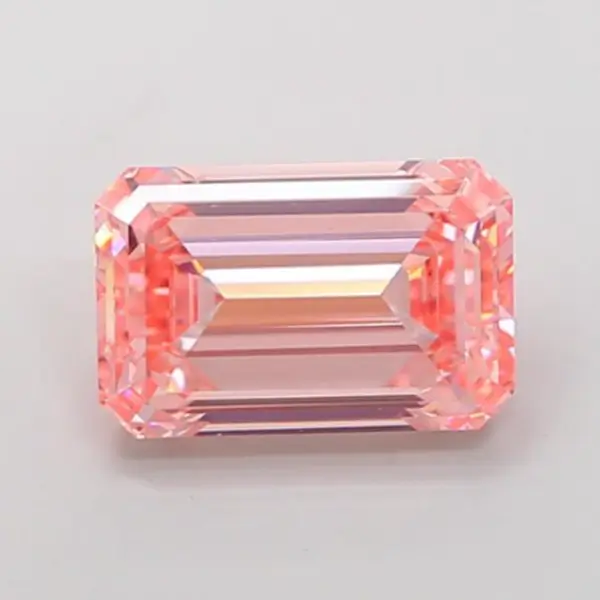
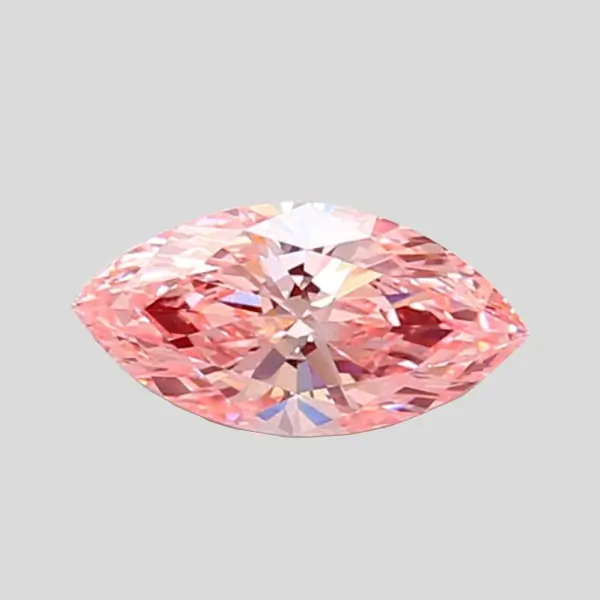
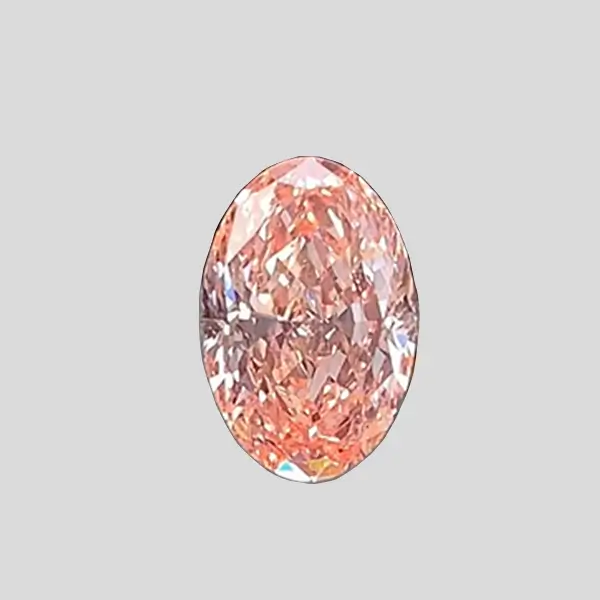
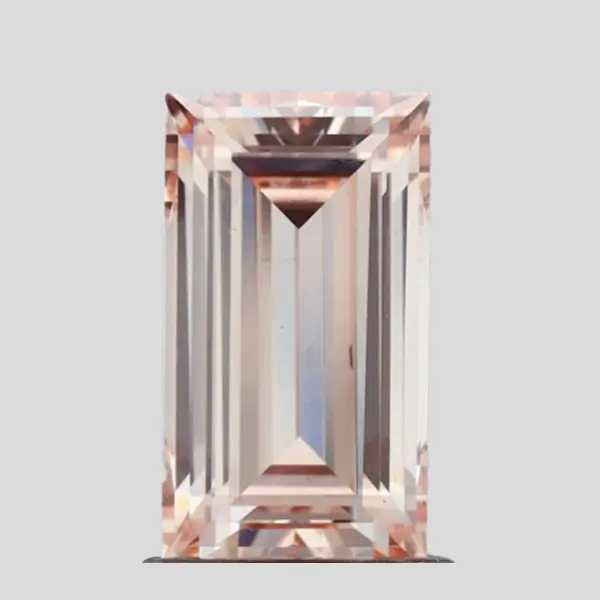
Wholesale purchasing workflows for colored lab‑grown diamonds differ significantly from shopping for individual retail pieces. Sourcing teams need to evaluate color batch consistency, certificate integrity, cut uniformity, and flexible order volumes when building inventory. Loose lab diamonds wholesale channels give jewelry businesses access to broad selections covering multiple carat sizes, pink color grades, and shape options including cushion, radiant, oval, heart and pear cuts. Buyers can source small melee parcels for accent stone work or select larger individual certified stones for center‑piece jewelry projects.

When placing wholesale orders for pink lab‑grown material, buyers should request full disclosure of any post‑growth color enhancement treatments. Reputable suppliers list this information clearly within accompanying lab certificates. Batch‑to‑batch color variation represents one of the largest practical pain points for wholesale purchasers. Two stones with identical printed fancy pink grade on paper can still show visible hue differences when placed side‑by‑side. Experienced sourcing practice involves reviewing physical sample sets before committing to large parcel orders, to confirm pink tone aligns with brand aesthetic requirements.

Wholesale pricing tiers shift according to order volume. Larger consolidated parcels deliver better per‑carat figures, while small‑batch sample orders carry slightly higher unit cost. Reliable suppliers maintain stock covering light pink through fancy vivid pink ranges, alongside mixed‑clarity selections to fit diverse product lines from affordable fashion jewelry up to premium bridal collections. Businesses new to colored lab‑gem sourcing benefit from starting with mixed small‑volume test orders, learning how different pink grades translate once set into metal mounting, before scaling to larger inventory commitments.

Common Misconceptions Surrounding Pink Lab‑Grown Diamond Expense

One widespread misconception claims all lab‑grown pink diamonds are uniformly cheap. This oversimplification ignores the steep jump that occurs at Fancy Intense and Fancy Vivid color grades. A 1‑carat Fancy Vivid pink lab‑grown diamond will demand significantly higher spend than a 1‑carat Fancy Light pink lab‑grown diamond, even when clarity and cut match. Another false belief assumes pink lab‑grown diamonds always cost more than colorless lab‑grown diamonds. That statement only holds true for mid‑to‑high saturation pink grades; faint and light pink lab‑grown stones often sit near or even below comparable colorless lab diamond pricing.

Many market participants also mistakenly equate production cost directly to retail selling price. Factory‑level output expenses represent only one segment of the final price. Certification fees, polishing losses, quality screening, global logistics, wholesale distributor margins and retail overhead all layer onto base manufacturing costs. Comparing factory direct quotes against finished retail price tags will therefore create misleading expectations.

Buyers also need to distinguish between as‑grown pink lab‑grown diamonds and stones receiving post‑growth color adjustment. As‑grown pink diamonds develop their pink hue entirely during crystal growth inside the reactor. Other stones receive permanent post‑growth pressure processing to develop or deepen pink color. Both categories produce authentic diamond material, but full transparency about treatment status is essential for honest trade. Reputable grading laboratories will document these processing details on official reports, and buyers should reject sellers that withhold this critical information.

We can now revisit the core question. Are pink lab diamonds more expensive? Relative to ultra‑rare natural pink diamonds, they deliver dramatic cost relief and far broader market accessibility. Relative to colorless lab‑grown diamonds, outcome depends entirely on color saturation. Soft faint pink lab‑grown stones remain competitively priced beside white lab‑grown diamonds, while intense and vivid pink lab‑grown varieties command meaningful premiums over colorless equivalents. The market landscape keeps evolving as synthesis technology advances, expanding access to beautiful pink diamond aesthetics for jewelry brands and end consumers across the world.